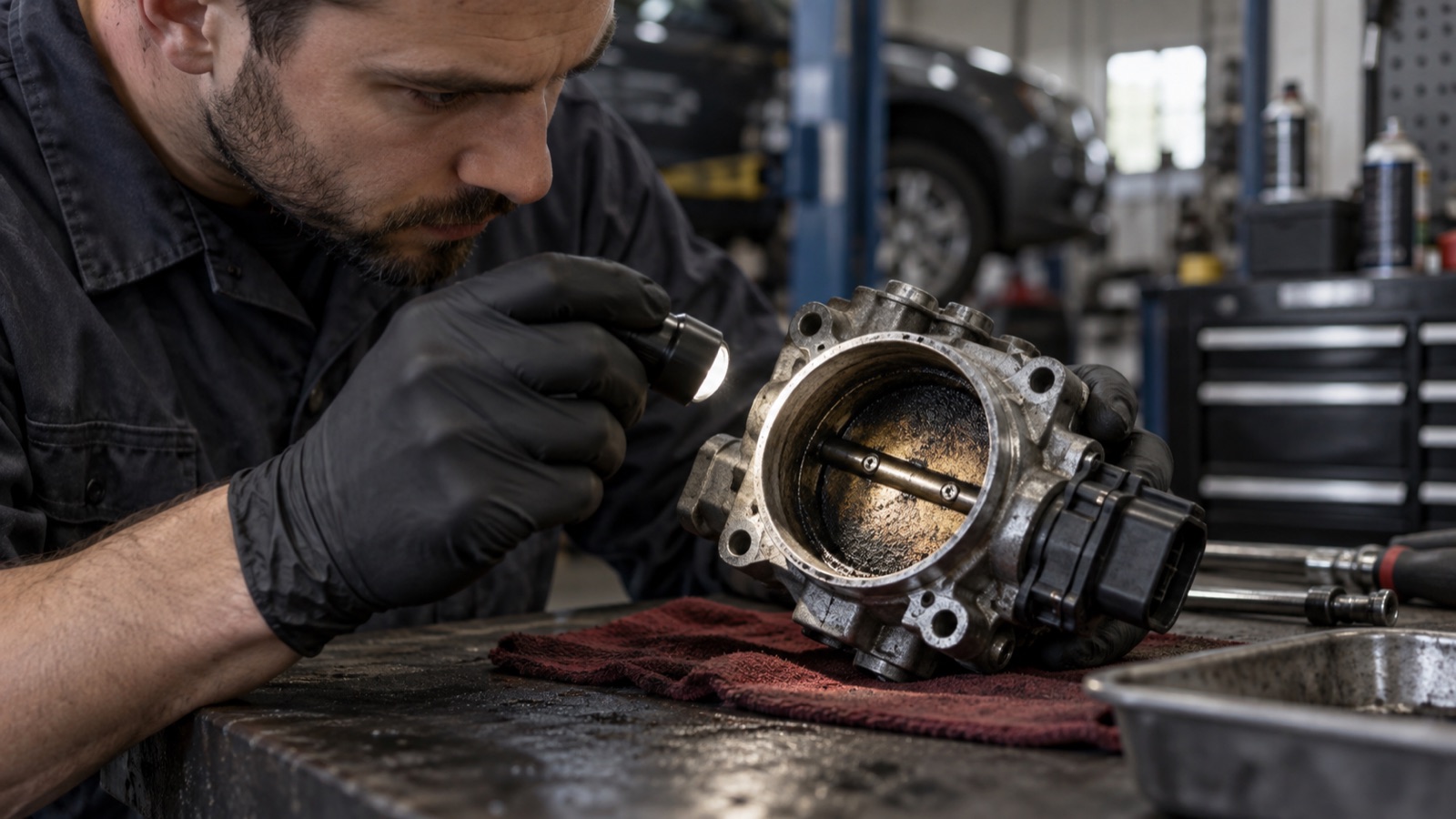
What are the risks of a clogged engine and how can you avoid them?
A clean engine is synonymous with performance, longevity, and fuel efficiency. However, over time, it gradually becomes clogged due to combustion residues, carbon deposits, and oil degradation.
💡 What are the risks of a clogged engine? How can you prevent clogging and ensure optimal performance for your vehicle?
👉 In this article, we analyse the dangers of a clogged engine and the solutions to remedy it.
1. Why does an engine get clogged?
Engine clogging is a natural phenomenon linked to the thermal and mechanical operation of the vehicle. It is accelerated by several factors:
🔸 Fuel combustion: Formation of carbon and soot in the cylinders and valves.
🔸 Accumulation of deposits in engine oil: Sludge and residues that impair lubrication.
🔸 Short trips and urban use: Inadequate engine warm-up, promoting the accumulation of impurities.
🔸 Poor quality or worn-out engine oil: Loss of cleaning and lubrication properties.
🔸 Use of low-quality fuels: Presence of residues that clog the injection system and diesel particulate filter (DPF).
💡 All engines clog over time, but certain habits make the problem worse.
2. What are the risks of a clogged engine?
A clogged engine can lead to numerous mechanical and financial problems.
🔧 Risk 1: Loss of power and reduced performance
The accumulation of deposits in the injectors, valves, and combustion chambers impairs engine efficiency:
❌ Less responsiveness when accelerating
❌ Loss of torque and power
❌ Louder engine and increased vibrations
🚨 Consequence: a less smooth and more tiring drive.
⛽ Risk 2: Increased fuel consumption
A clogged engine burns fuel inefficiently, requiring more to be consumed to compensate.
💸 Up to +15% more fuel consumption!
🚨 Consequence: your fuel tank empties faster and impacts your budget directly.
🌫️ Risk 3: Increased pollutant emissions
A poorly maintained engine produces more harmful gases, including CO2, NOx, and fine particles.
🚨 Consequence: risk of failing the MOT and a negative impact on the environment.
⚠️ Risk 4: Clogging of the particulate filter (DPF) and EGR valve
An excess of soot in the exhaust gases can block the particulate filter (DPF) and the EGR valve.
❌ Malfunction of the pollution control system
❌ Engine operating in limp mode
❌ High cost for replacing the DPF (> £1000)
🚨 Consequence: costly repairs and loss of performance.
🛠️ Risk 5: Premature engine wear and risk of engine failure
A clogged engine suffers from impaired lubrication, which accelerates the wear of essential parts.
🔹 Clogged piston rings and pistons = loss of sealing
🔹 Blocked valves = engine malfunction
🔹 Clogged turbocharger = risk of failure (repair > £2000)
🚨 Consequence: rapid engine deterioration and the risk of a major breakdown.
3. How can you prevent engine clogging?
Fortunately, there are simple and effective solutions to prevent engine clogging!
🚀 Solution 1: Use a motor cleaner before every oil change
A product like CLEAN Before Oil Change removes internal impurities and optimises lubrication.
✅ Dissolves sludge and varnish
✅ Helps remove impurities
✅ Improves the protection of fresh oil
📌 Use it at every oil change for a consistently clean engine.
⛽ Solution 2: Use a fuel treatment
Additives like ECO ESSENCE and ECO DIESEL enhance combustion and prevent carbon buildup.
✅ Cleans injectors and valves
✅ Reduces soot deposits
✅ Optimises fuel consumption
📌 A preventive treatment to keep your engine performing at its best.
🏎️ Solution 3: Adopt appropriate driving habits
Certain driving habits can limit engine clogging:
✔️ Prefer longer journeys to get the engine up to temperature
✔️ Avoid driving at too low a rev range
✔️ Occasionally accelerate firmly to clean the engine
📌 Good driving behaviour reduces the risk of clogging.
🔧 Solution 4: Regular maintenance of the injection and exhaust system
Preventative maintenance with NET ESSENCE or NET DIESEL helps keep injectors and the carburettor clean.
✅ Optimises fuel atomisation
✅ Reduces black smoke and pollutant emissions
✅ Prolongs engine lifespan
📌 A clean engine consumes less fuel and lasts longer!
4. Act before it’s too late!
A clogged engine leads to power loss, increased fuel consumption, and costly mechanical issues. Fortunately, good prevention and the use of appropriate additives can prevent these problems.
✅ Clean your engine regularly with CLEAN Before Oil Change
✅ Treat your fuel with ECO ESSENCE or ECO DIESEL
✅ Drive appropriately and maintain your engine
🚀 Discover our solutions for a clean and high-performing engine!