Discover our tips and guides on automotive additives
Guides to understanding maintenance and choosing a treatment for its intended use. Check the directions for each product.

All advice
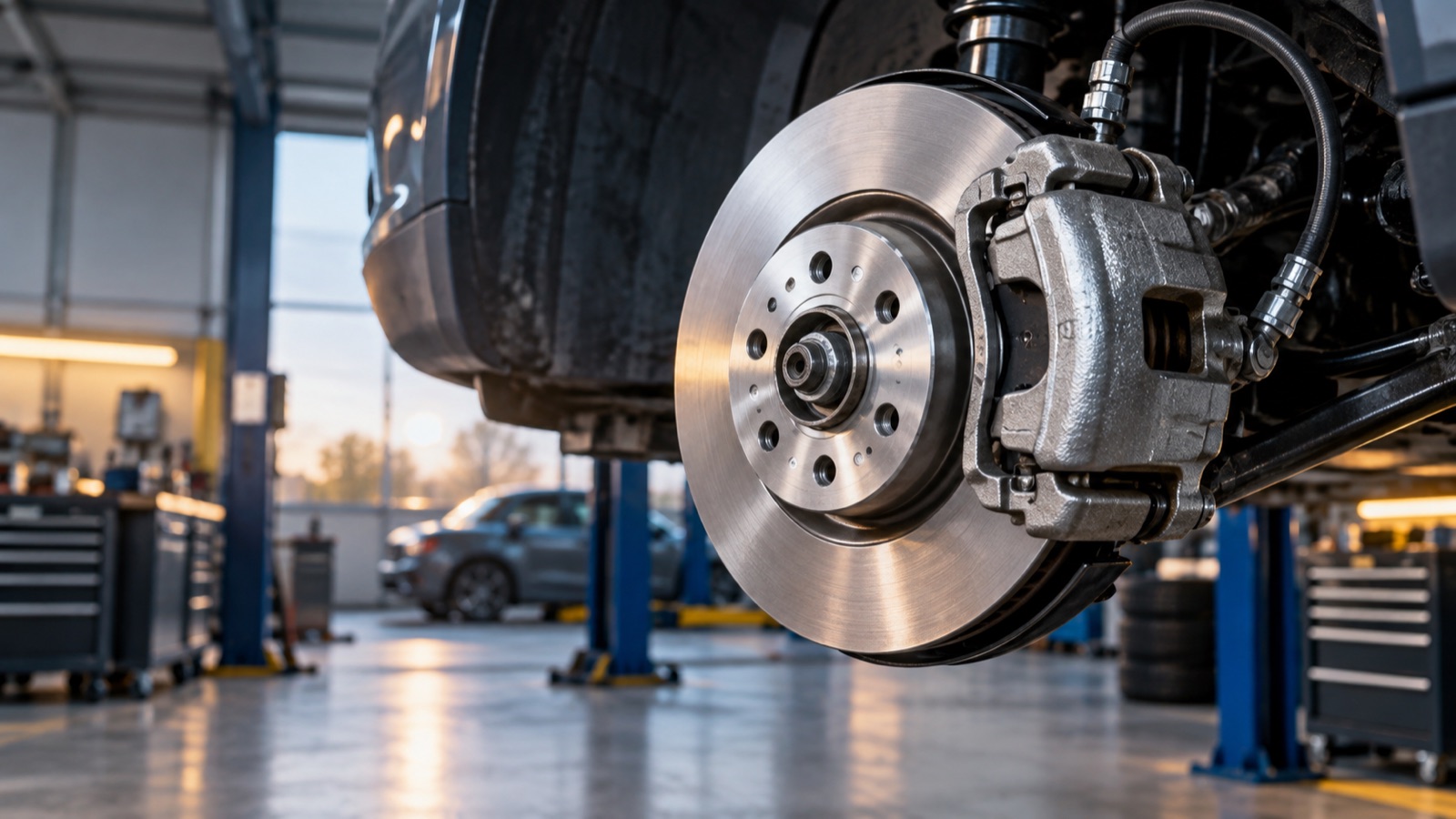
How can high-performance fluid help preserve your braking system?
A guide to suitable high-performance brake fluid: boiling points, viscosity, DOT compatibility and regular maintenance without extending prescribed intervals.
Read the article ↗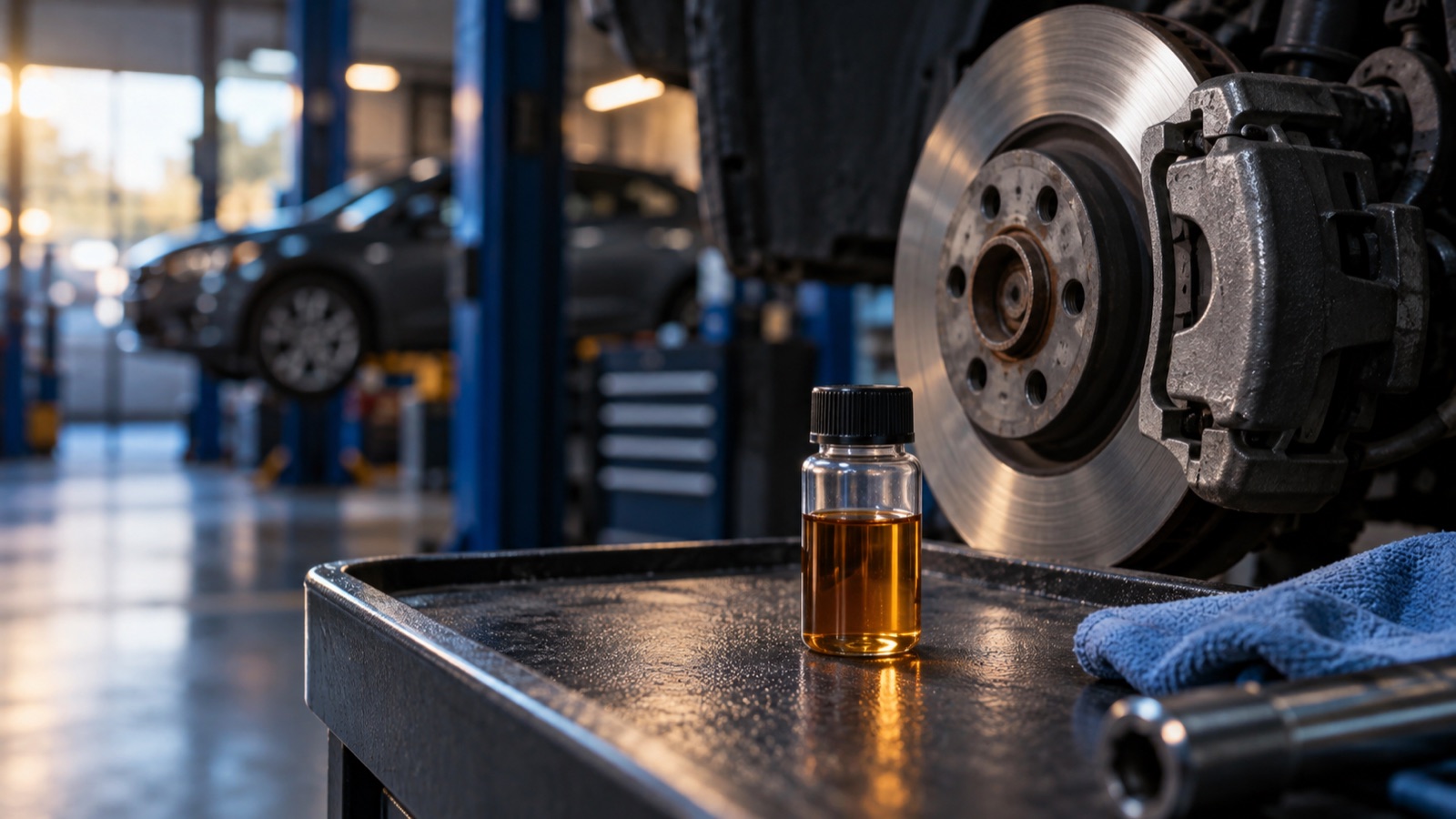
What are the risks of worn-out brake fluid?
Understand moisture contamination, vapour formation, corrosion and braking faults associated with degraded fluid, plus inspection and replacement guidance.
Read the article ↗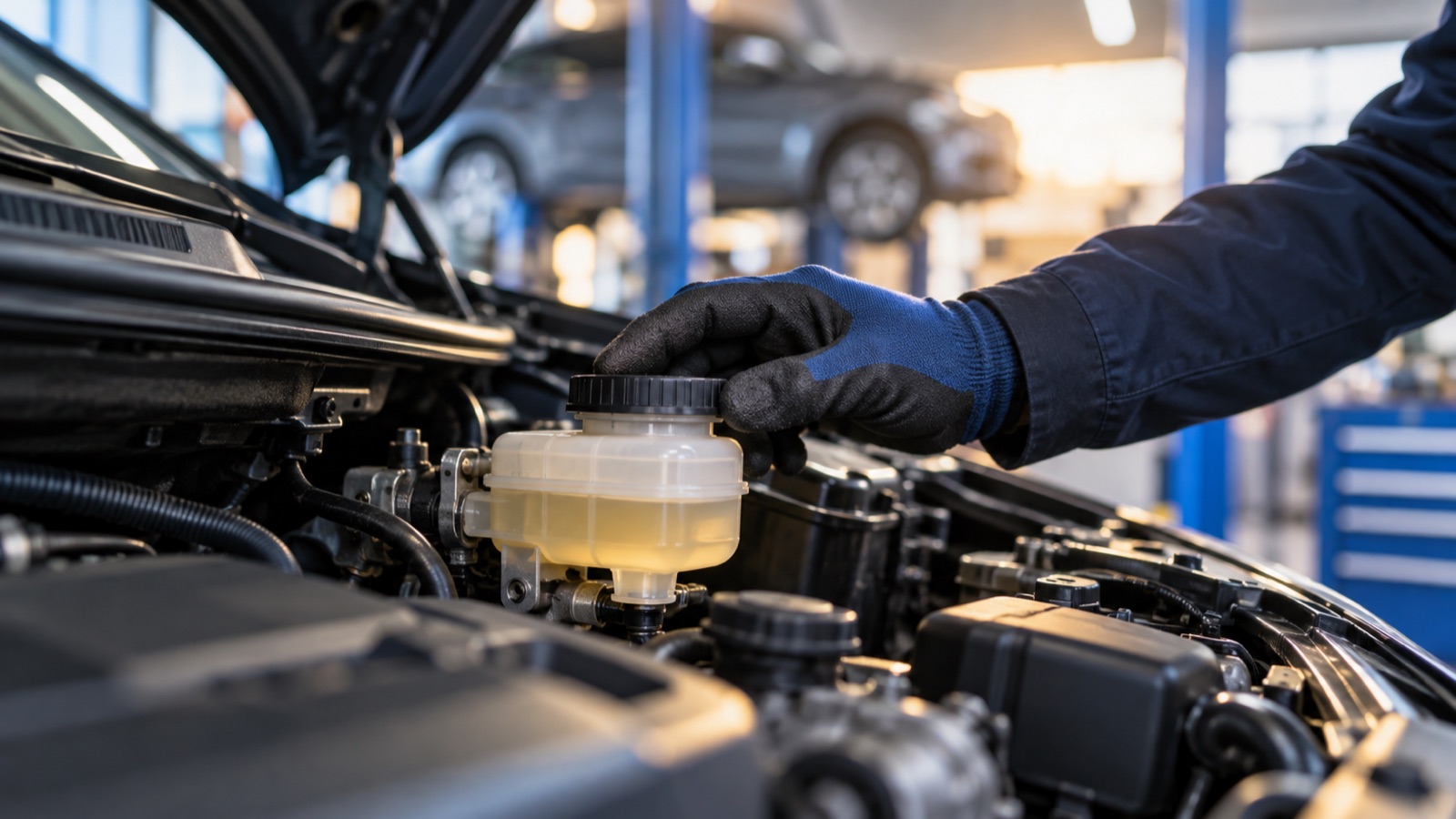
Optimum braking: when should you change your brake fluid?
Learn why brake fluid needs replacing, which symptoms require inspection and how manufacturer intervals and driving conditions guide maintenance.
Read the article ↗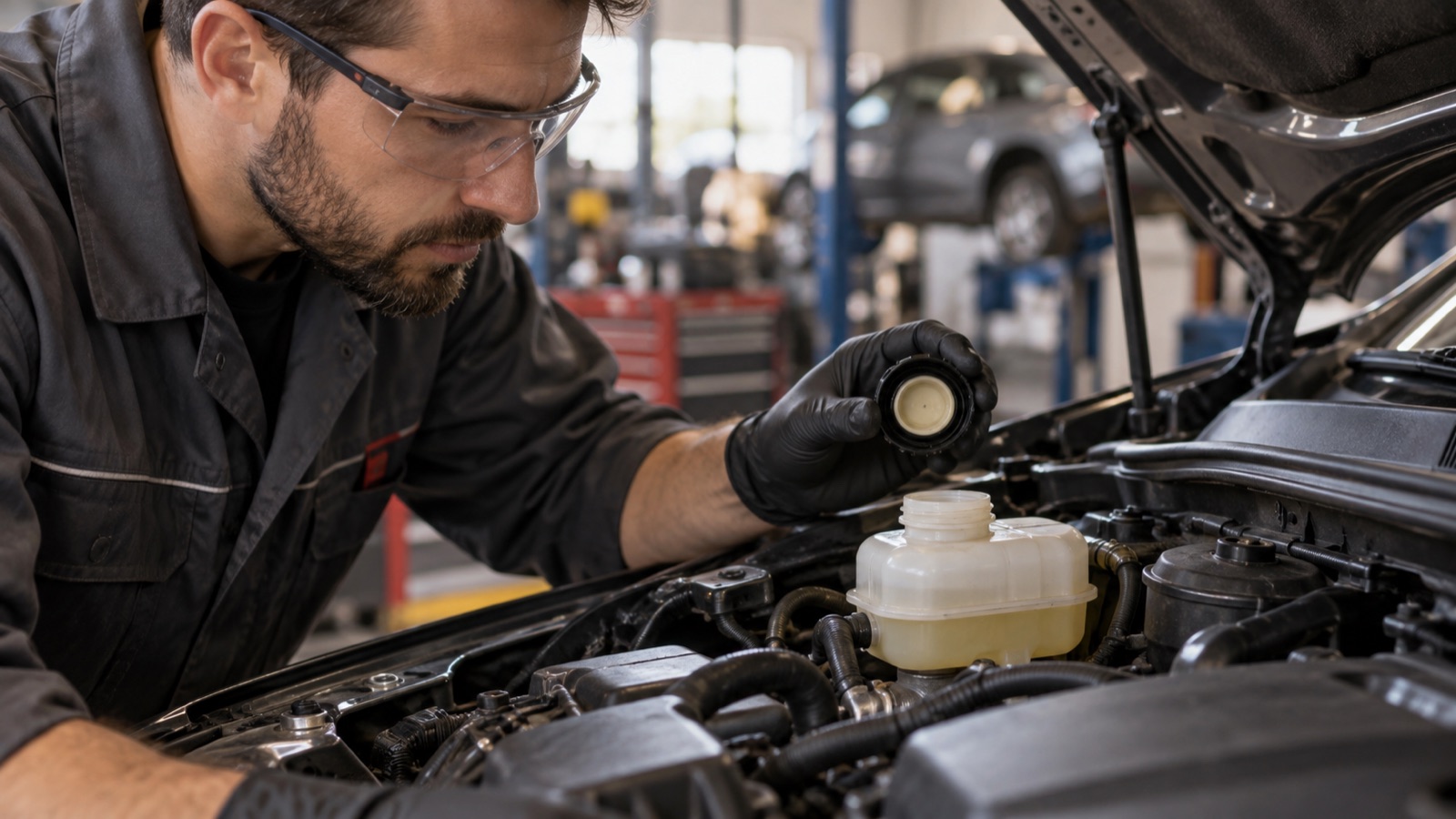
Why is choosing the right brake fluid crucial to your safety?
Understand the role of brake fluid, the risks of unsuitable or degraded fluid and how vehicle specifications guide selection and regular replacement.
Read the article ↗
Common mistakes when using additives and how to avoid them
Avoid additive overdosing, incompatible products and neglected maintenance. Check instructions, treatment intervals and persistent engine symptoms.
Read the article ↗
Engine additives: which should you choose for your vehicle and fuel?
Choose compatible additives for petrol, diesel or LPG engines. Compare injector cleaners, fuel treatments, lubrication products and particulate filter care.
Read the article ↗
How can additives help maintain your engine on a limited budget?
Plan affordable engine maintenance with suitable additives, injector care and lubrication. Compare potential fuel savings with costs without skipping servicing.
Read the article ↗
Fuel additives: what do experts and independent tests say?
Assess claims about fuel additives, expert recommendations and independent tests. Distinguish reported savings from verifiable evidence and check compatibility.
Read the article ↗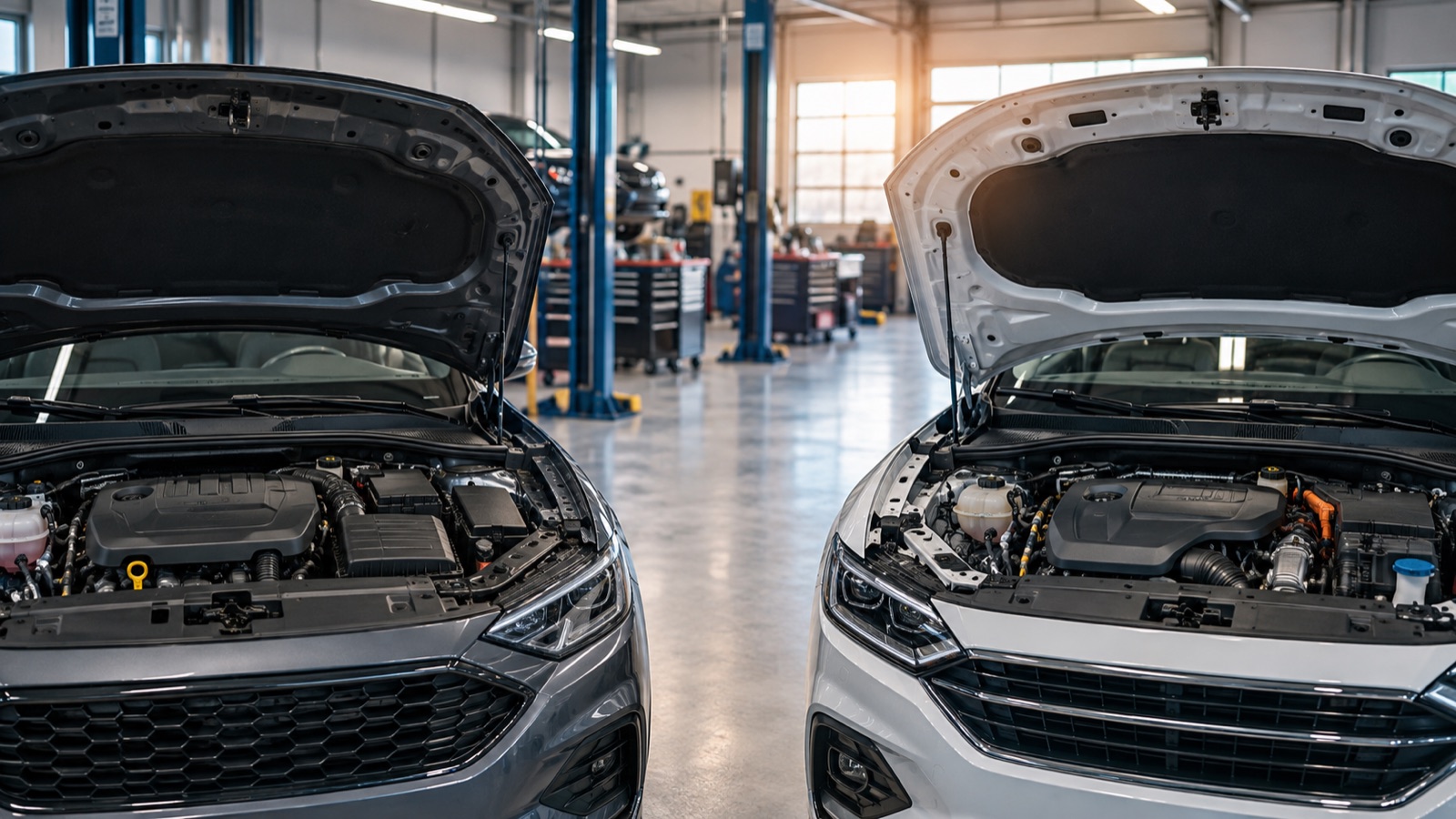
Petrol versus diesel engines: how do maintenance and additives differ?
Compare petrol and diesel engine combustion, consumption, emissions and maintenance, with guidance on choosing additives suited to each system.
Read the article ↗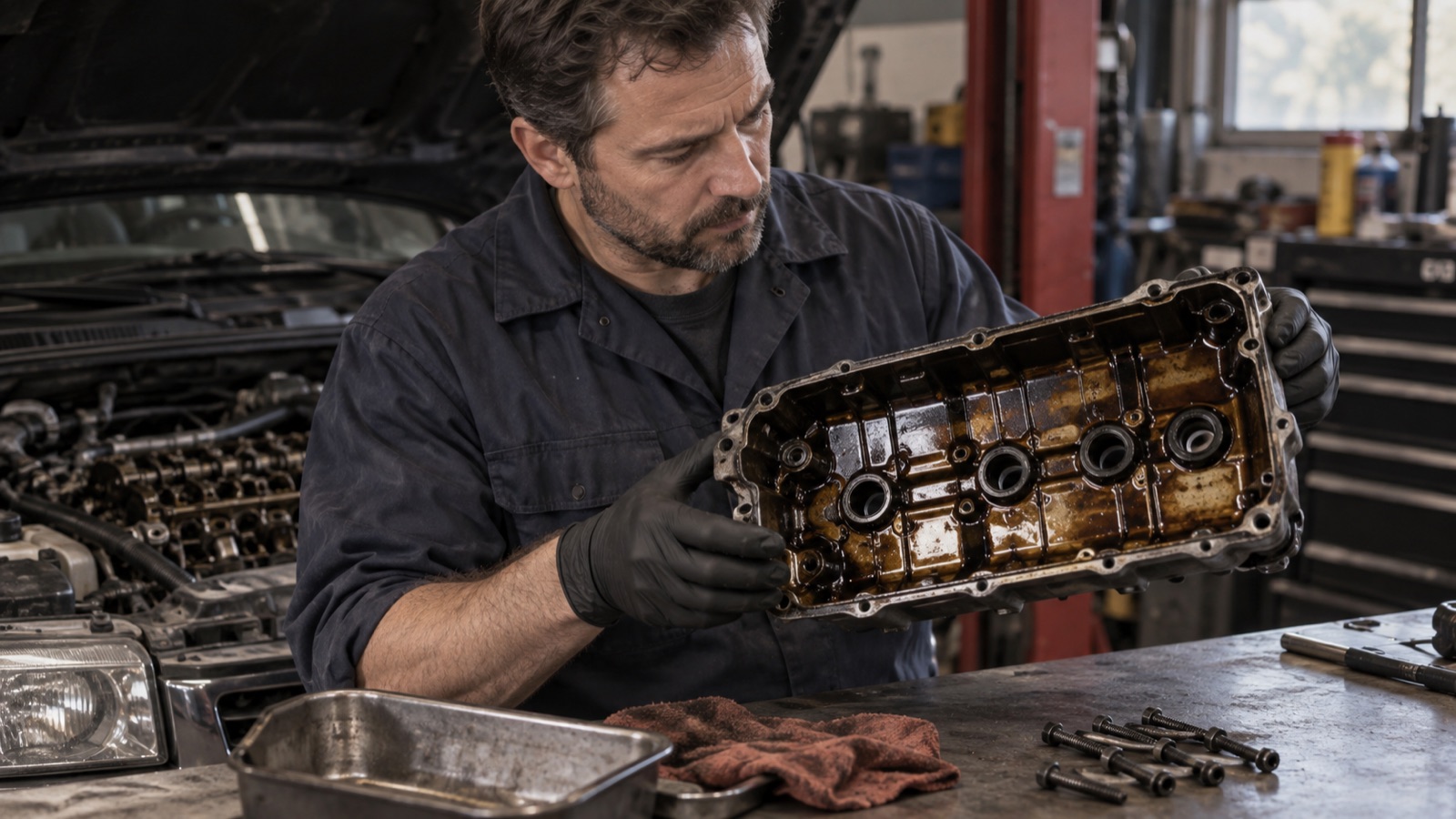
Engine cleaning before oil change: Myth or real necessity?
Should you clean an engine before changing its oil? Examine deposits, lubrication circuit condition and the criteria for choosing a suitable treatment.
Read the article ↗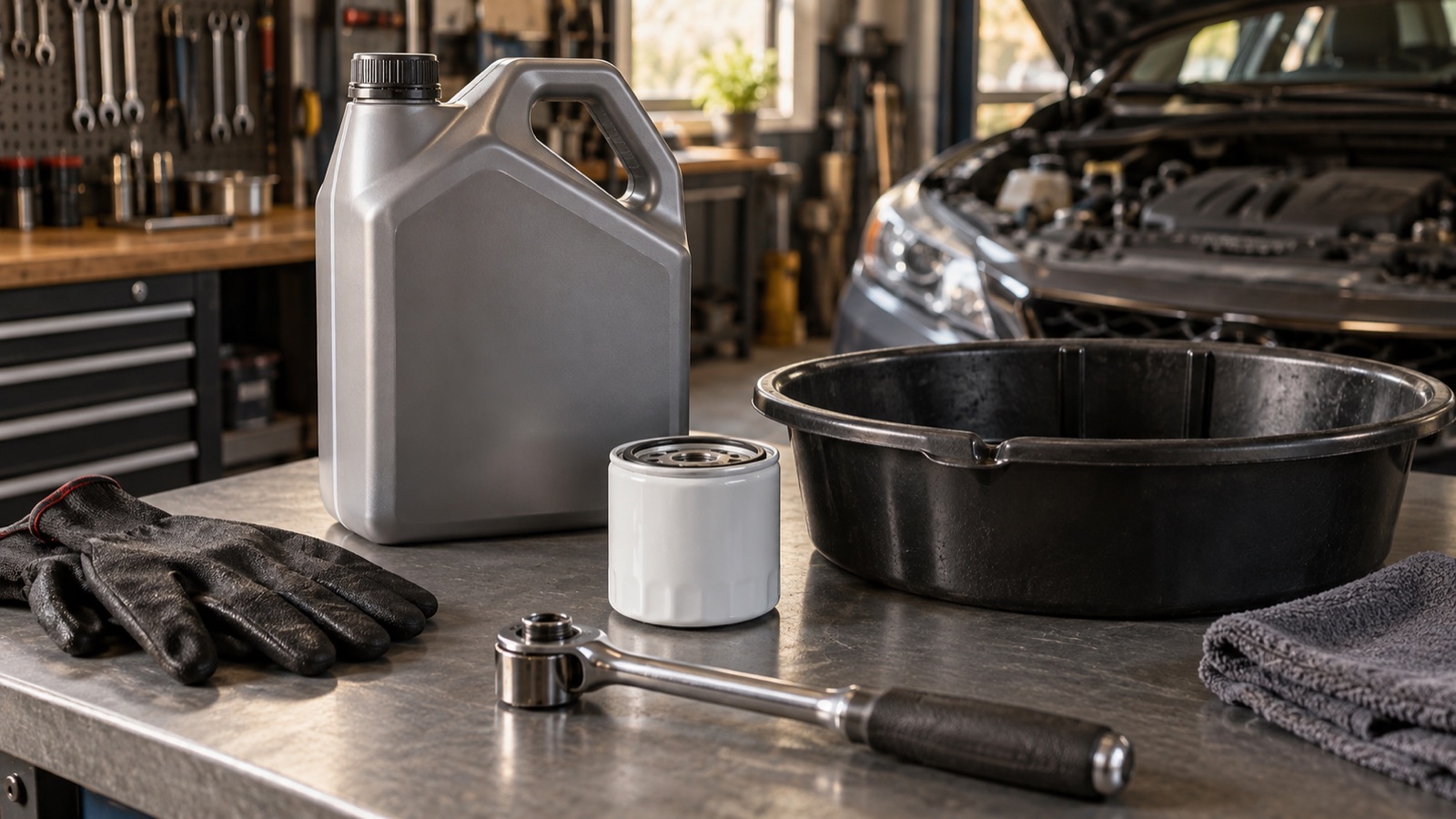
Key steps for a successful oil change and a more efficient engine
Preparation, oil selection, filter replacement and checks: review the stages of an oil change while following the vehicle’s specifications and precautions.
Read the article ↗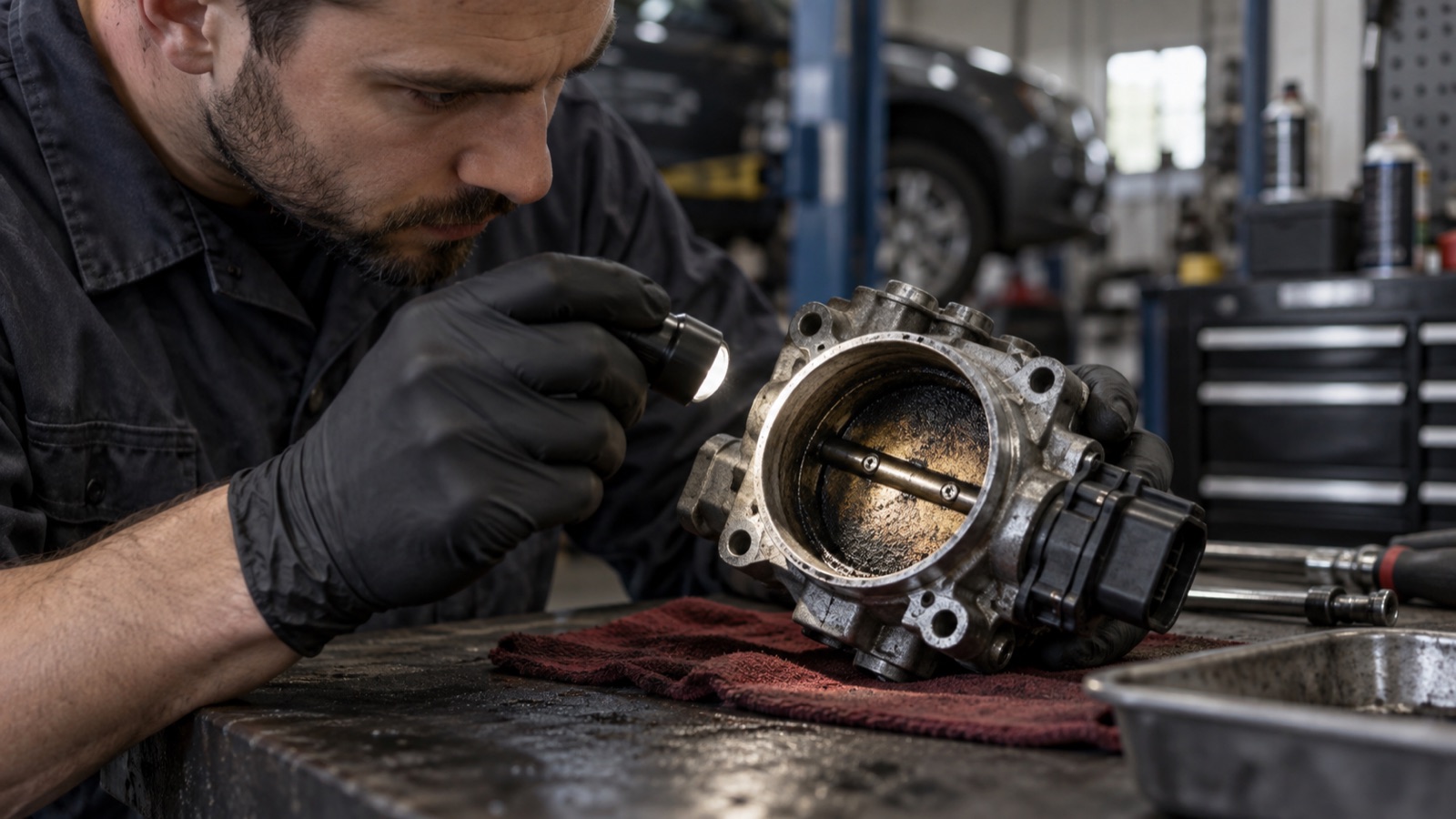
What are the risks of a clogged engine and how can you avoid them?
Deposits, carbon build-up and degraded oil: explore the causes and risks of engine fouling, with guidance on maintenance and when diagnosis is needed.
Read the article ↗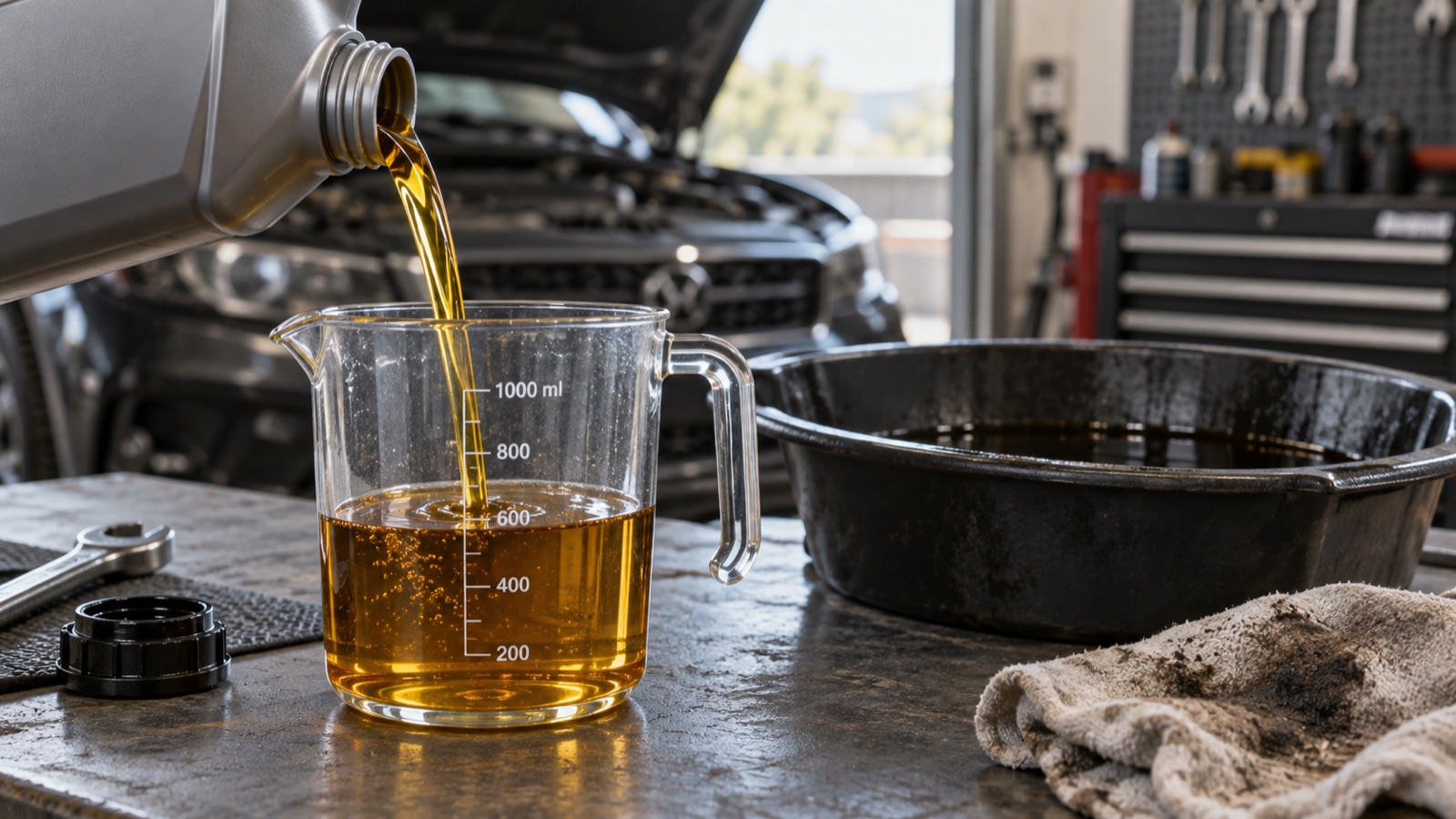
Why does internal cleaning extend the life of your engine oil?
Understand how deposits affect engine oil and the role of internal cleaning, while maintaining the oil change intervals specified for your vehicle.
Read the article ↗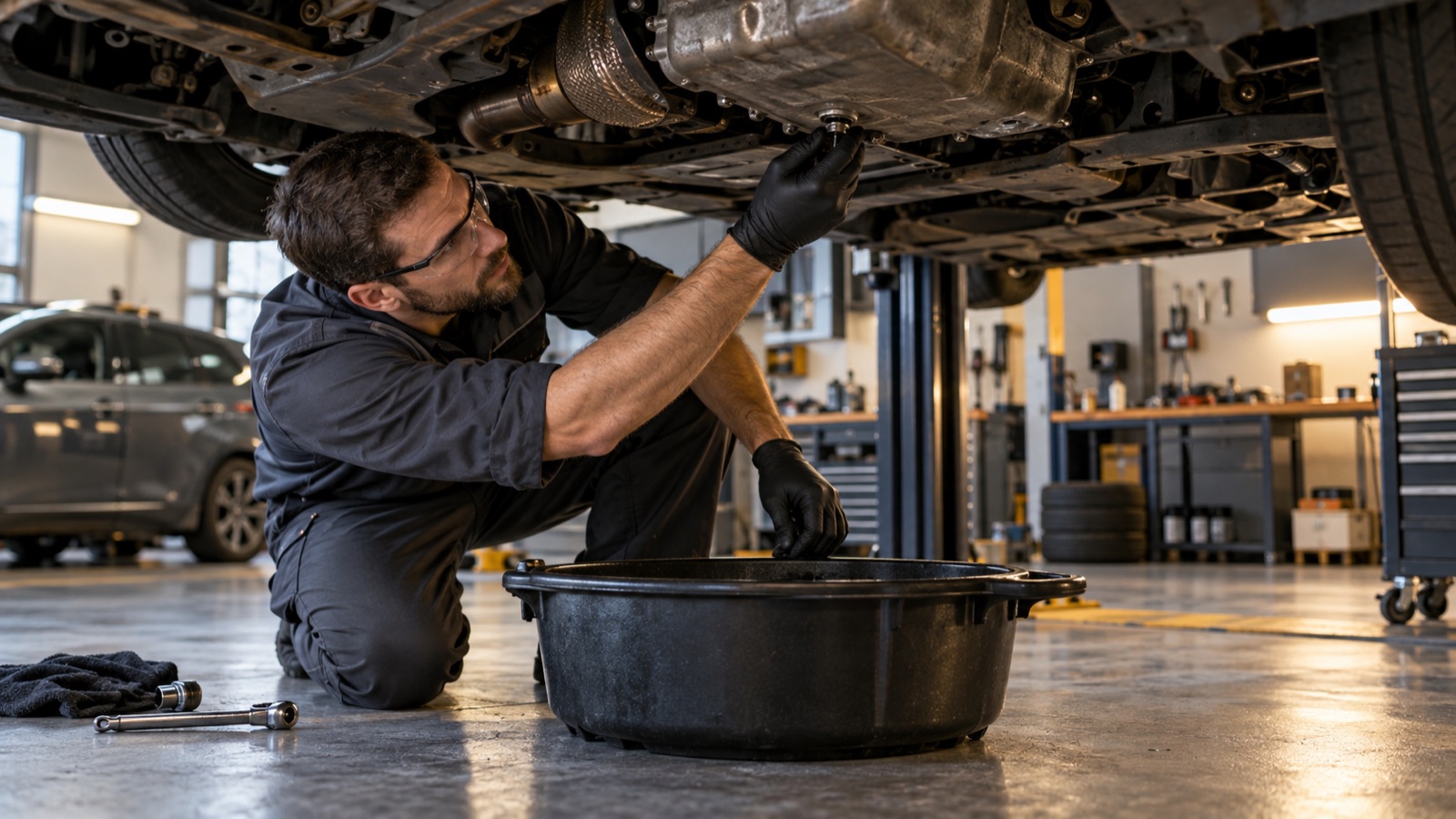
Why is it essential to clean your engine before an oil change?
Learn about removing deposits before an oil change and the precautions to consider according to engine condition and the cleaning product’s instructions.
Read the article ↗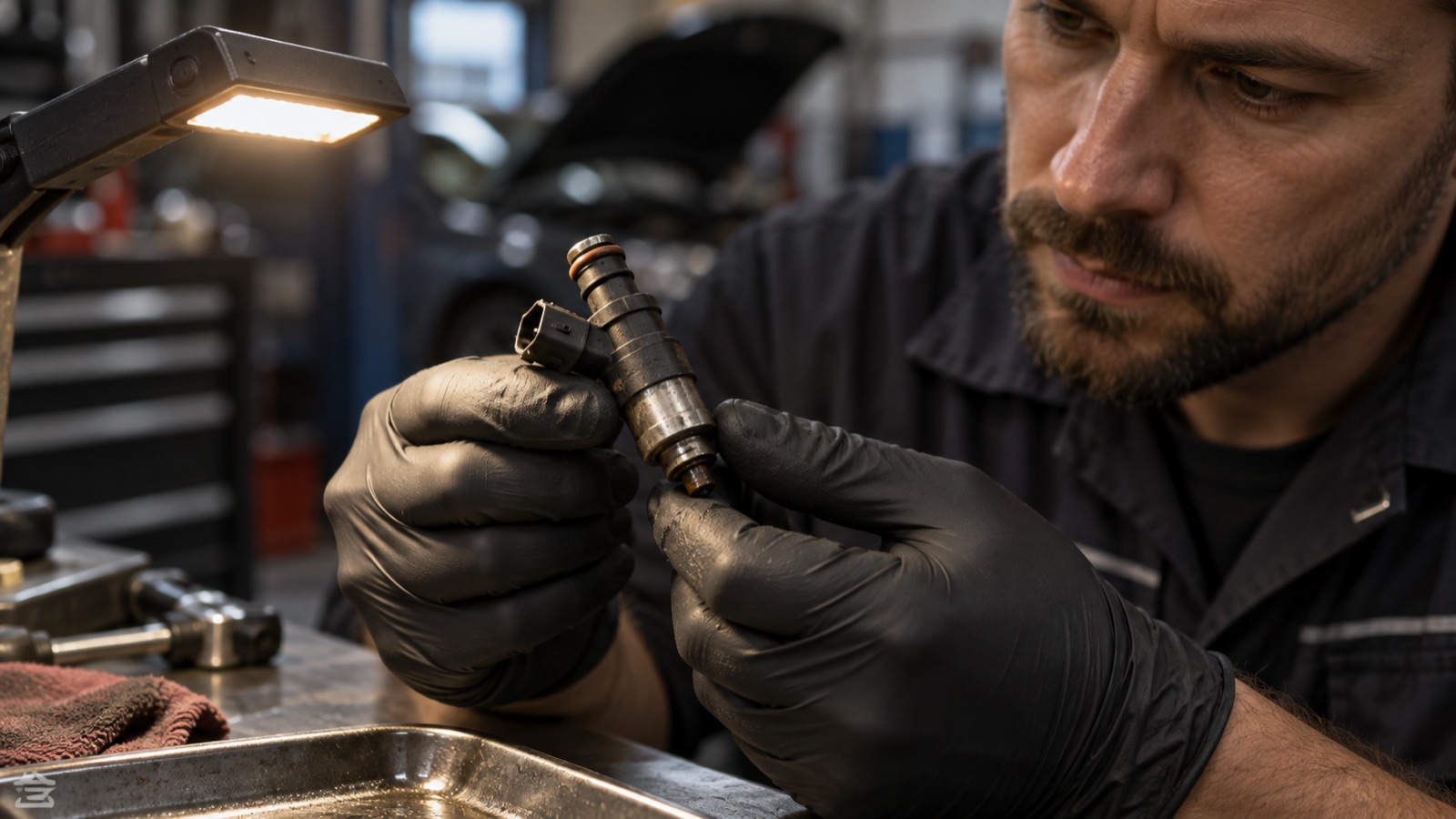
Are fuel additives really effective against engine fouling?
Can fuel additives help reduce engine deposits? Learn where they may help, why results vary and when proper diagnosis and maintenance are still needed.
Read the article ↗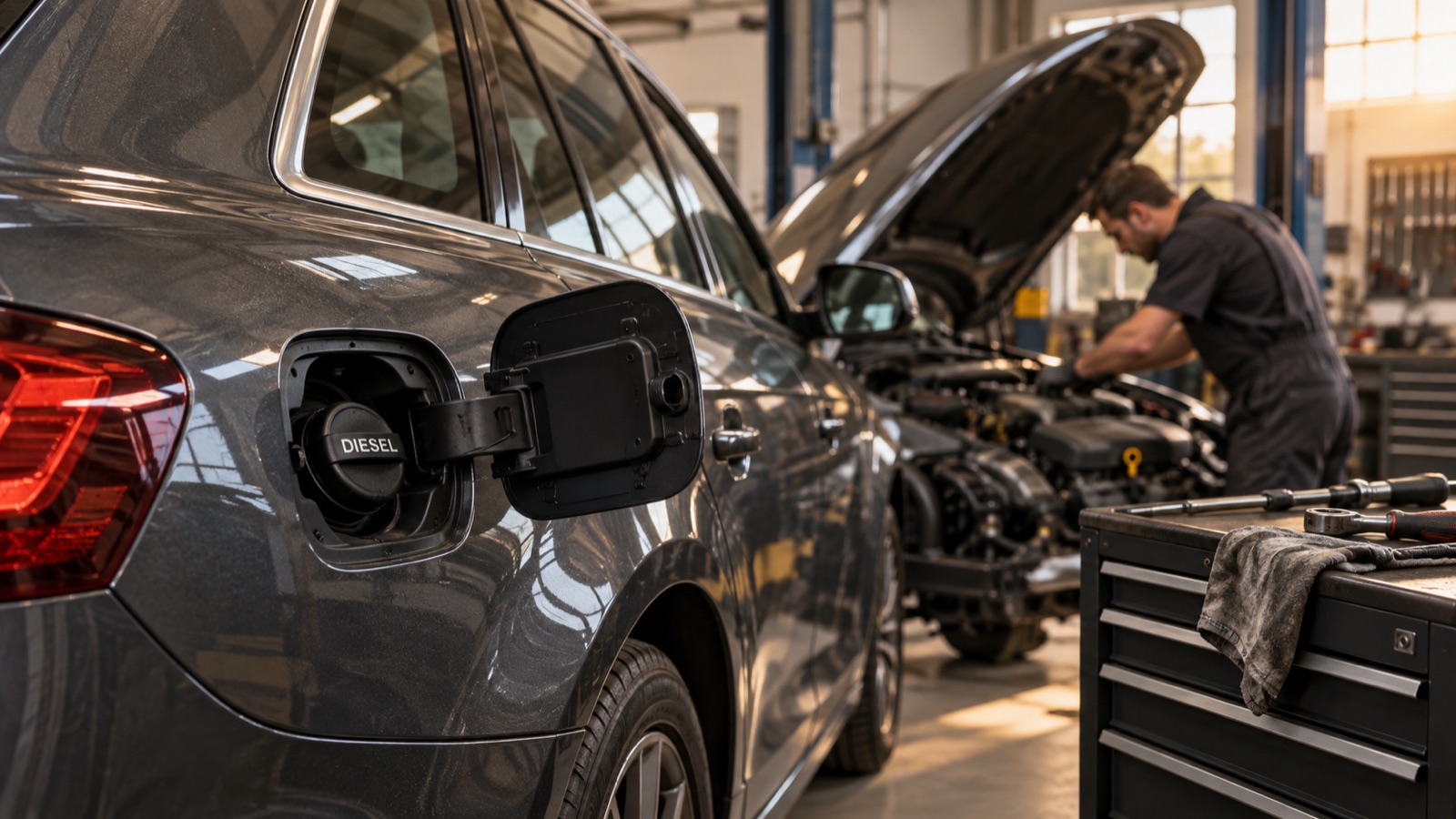
ECO DIESEL: The key to a cleaner and more economical engine?
Explore ECO DIESEL’s role in fuel and injector maintenance, together with the application instructions and compatibility criteria to check before use.
Read the article ↗
How can fuel treatment reduce your fuel consumption?
Petrol treatment and fuel consumption: understand how combustion, injector condition and driving conditions influence the results you may observe.
Read the article ↗
How can you optimise your engine’s performance based on your fuel type?
Petrol or diesel: compare maintenance needs and treatments suited to the fuel, engine and driving conditions, with compatibility checks before use.
Read the article ↗
Which additive should you choose to improve the combustion of your petrol engine?
Choosing a petrol additive: consider the treatment’s purpose, injector condition, compatibility and dosage, and follow the product instructions.
Read the article ↗
Why do modern diesel engines need a specific treatment?
Injection, deposits and emissions systems: explore the maintenance needs of modern diesel engines and the criteria for choosing a suitable treatment.
Read the article ↗
Clogged DPF? Discover a solution to avoid a costly breakdown!
A guide to clogged diesel particulate filters: causes, symptoms, regeneration, cleaning options and the engine components to check during maintenance.
Read the article ↗
NET ESSENCE vs NET DIESEL: what is the difference and which product should you choose?
Compare NET ESSENCE and NET DIESEL: engine types, deposits targeted, use and maintenance. Choose an injector cleaner according to your vehicle's fuel.
Read the article ↗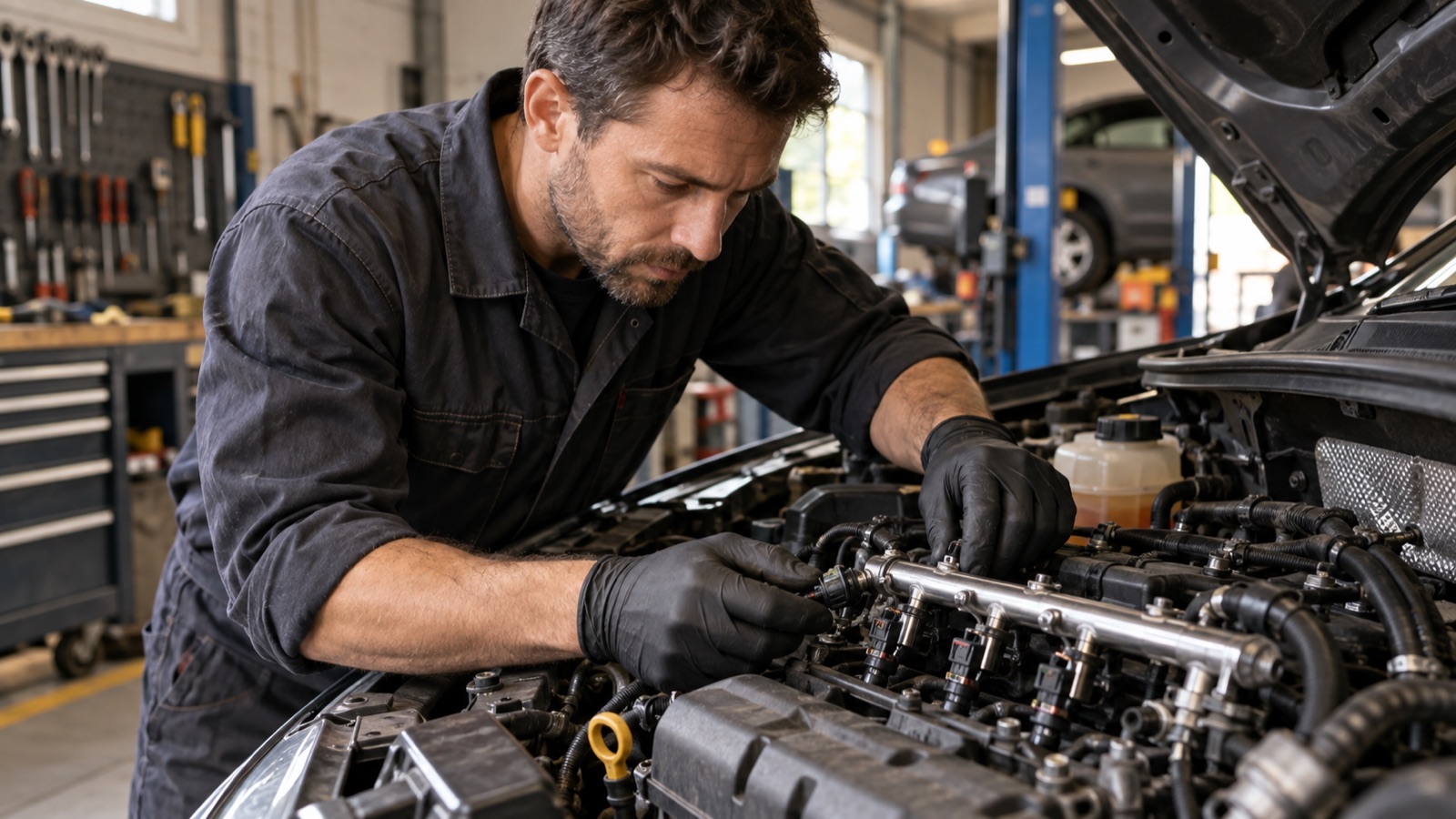
How can regular injector maintenance prevent engine breakdowns?
Understand injector fouling and its warning signs. This guide covers cleaners, fuel quality, driving habits and when workshop cleaning may be needed.
Read the article ↗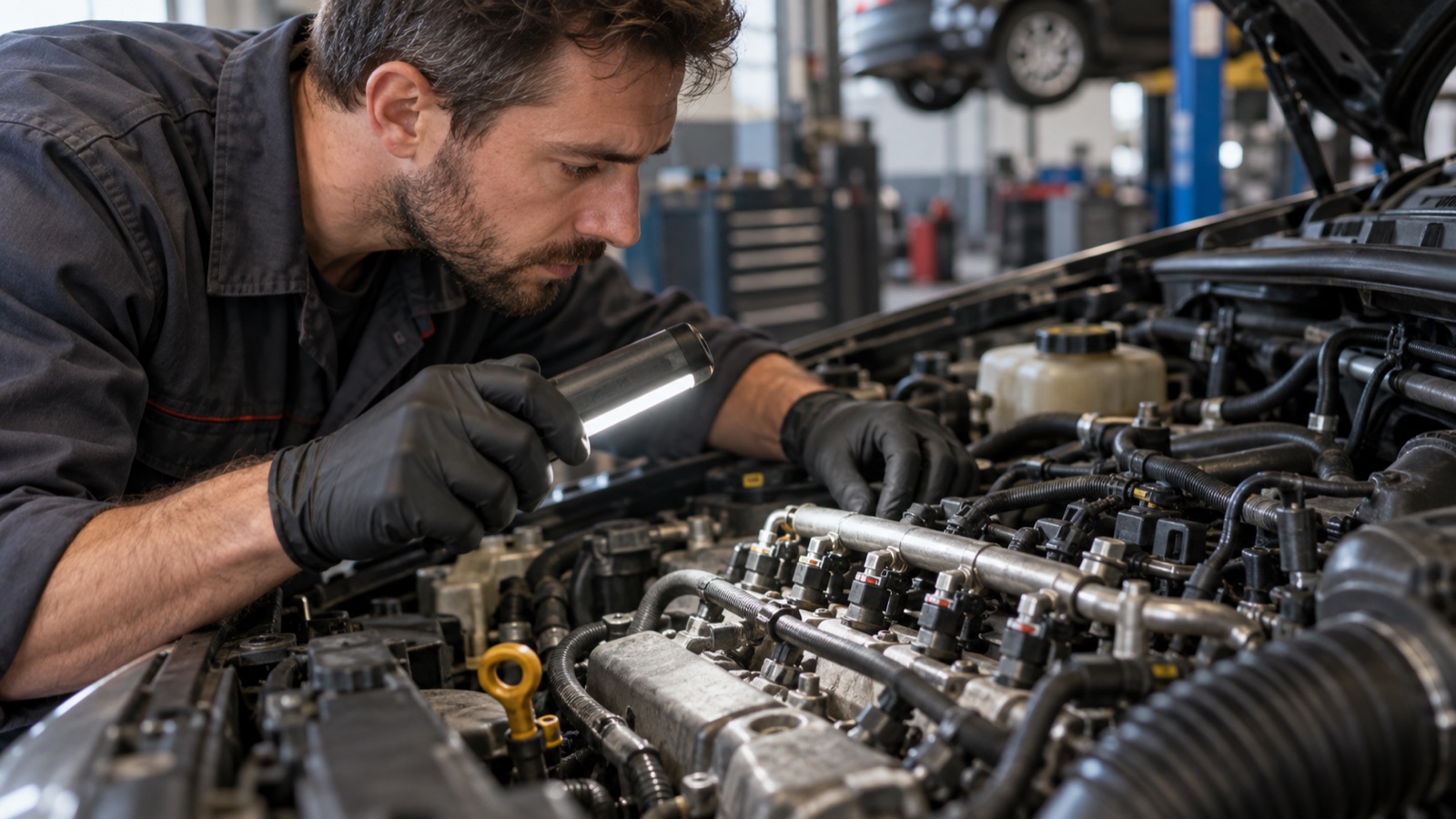
Signs that your injection system needs urgent cleaning
Recognise the signs described for fouled injectors: power loss, starting problems, fuel consumption, smoke, rough running, warning lights and noises.
Read the article ↗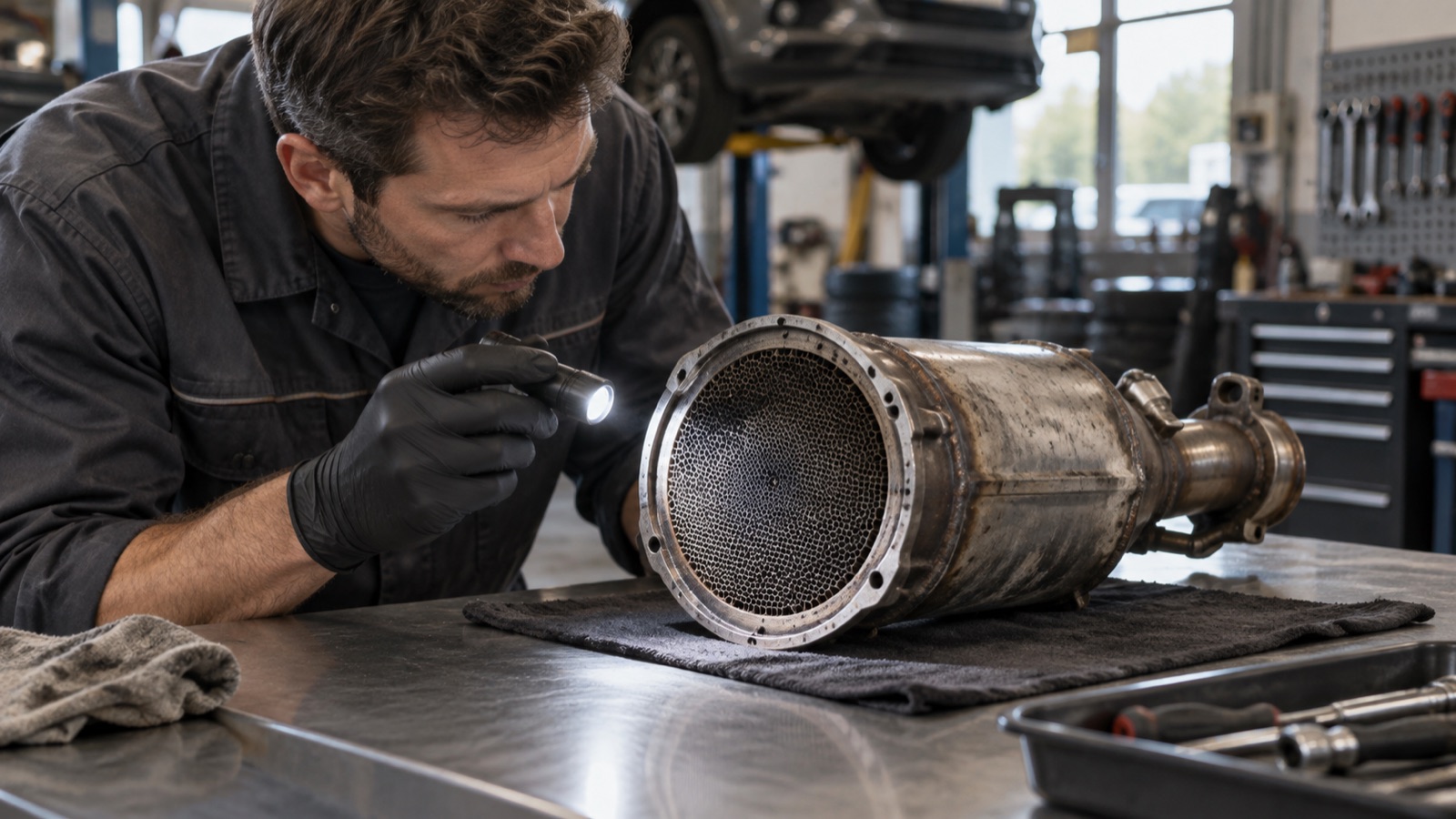
Why can a clogged particulate filter reduce your engine's performance?
How a clogged particulate filter affects exhaust flow, engine performance and fuel consumption, with maintenance steps and guidance on replacement.
Read the article ↗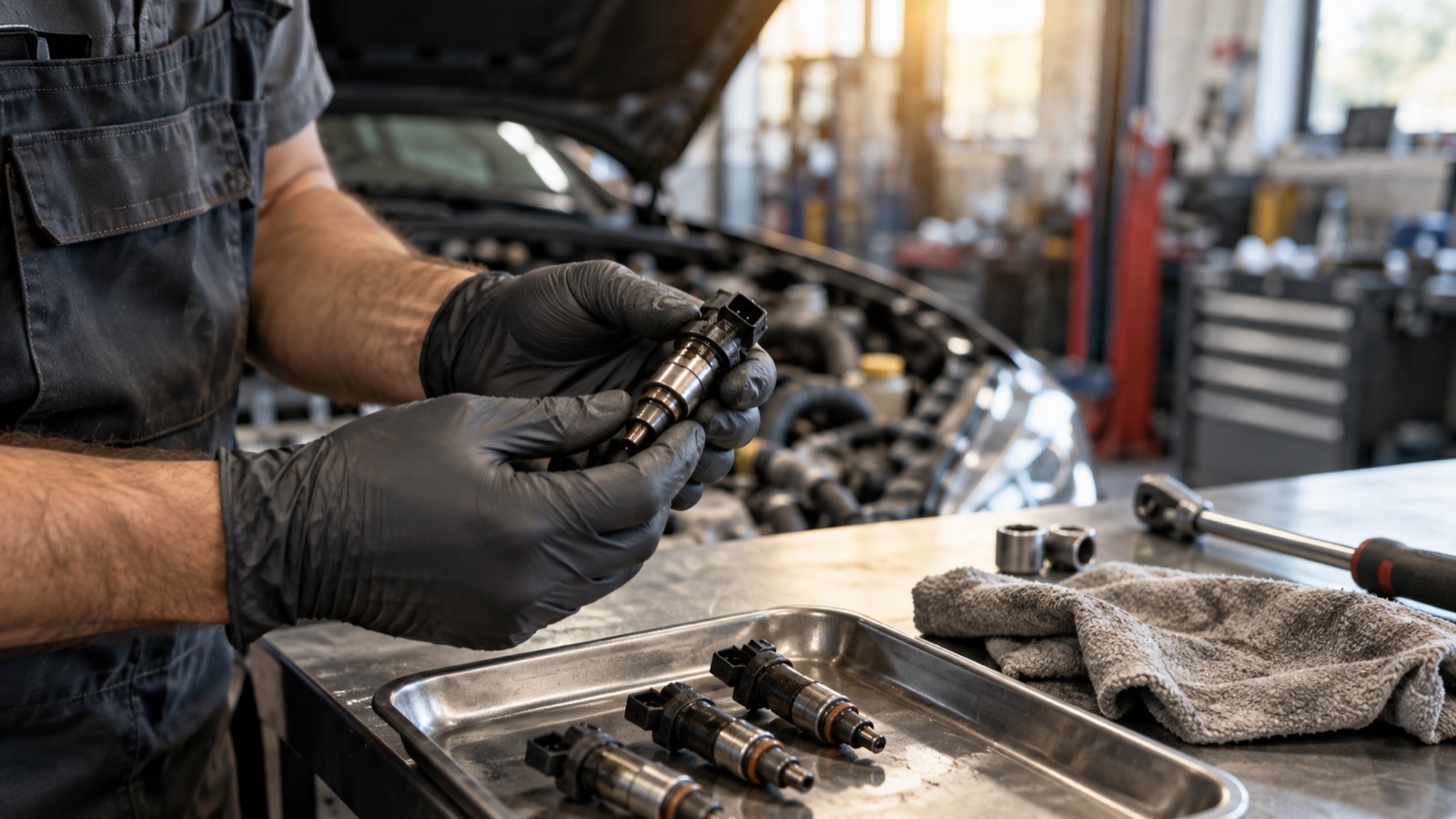
Why and when should you clean your injectors?
Why clean your injectors? Discover signs of fouling, cleaning intervals, preventive maintenance and the differences between additives and workshop cleaning.
Read the article ↗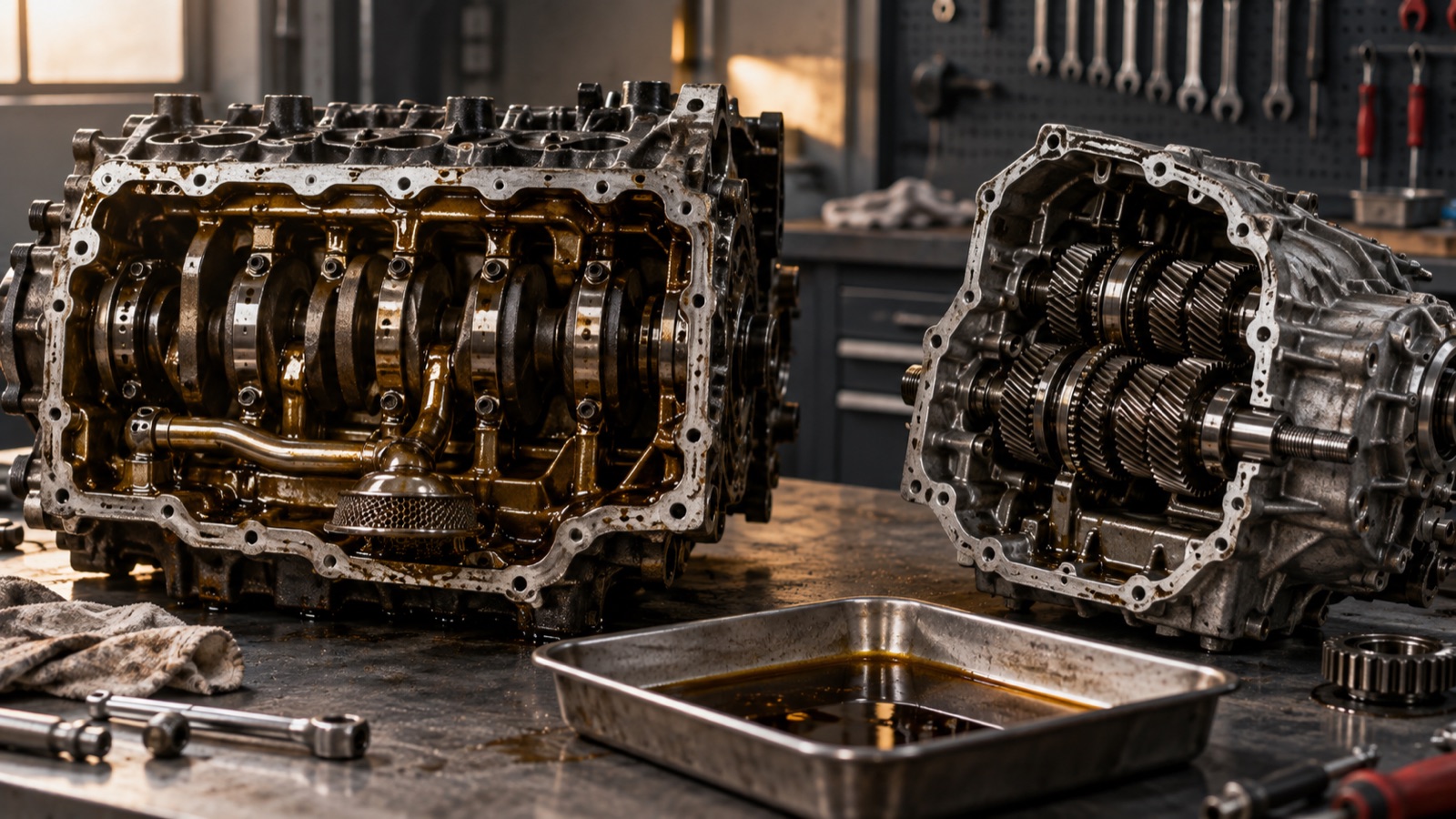
Ceramic lubricant: Why is it an advantage for your engine and gearbox?
Explore ceramic lubrication for engines and gearboxes: friction, wear protection and the importance of selecting a product compatible with your system.
Read the article ↗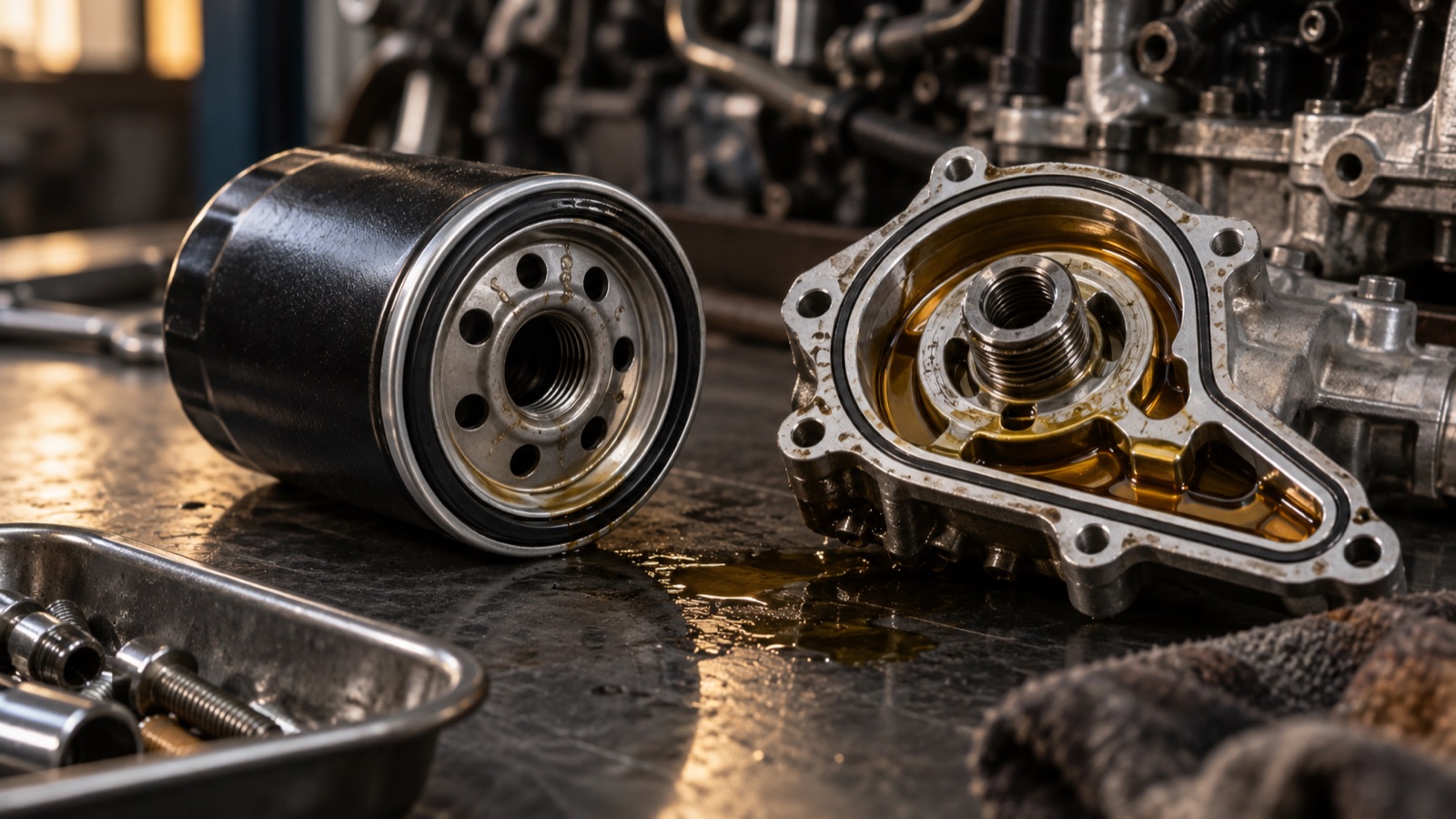
Oil Filter and Ceramic Treatment: The Innovative Alliance for Optimal Lubrication
Oil filters and ceramic treatments: explore their roles in lubrication and filtration, and the compatibility considerations to check before use.
Read the article ↗
How can you extend the life of your engine with a high-performance lubricant?
Understand how a suitable lubricant supports engine protection, friction control and heat management, alongside the prescribed oil change intervals.
Read the article ↗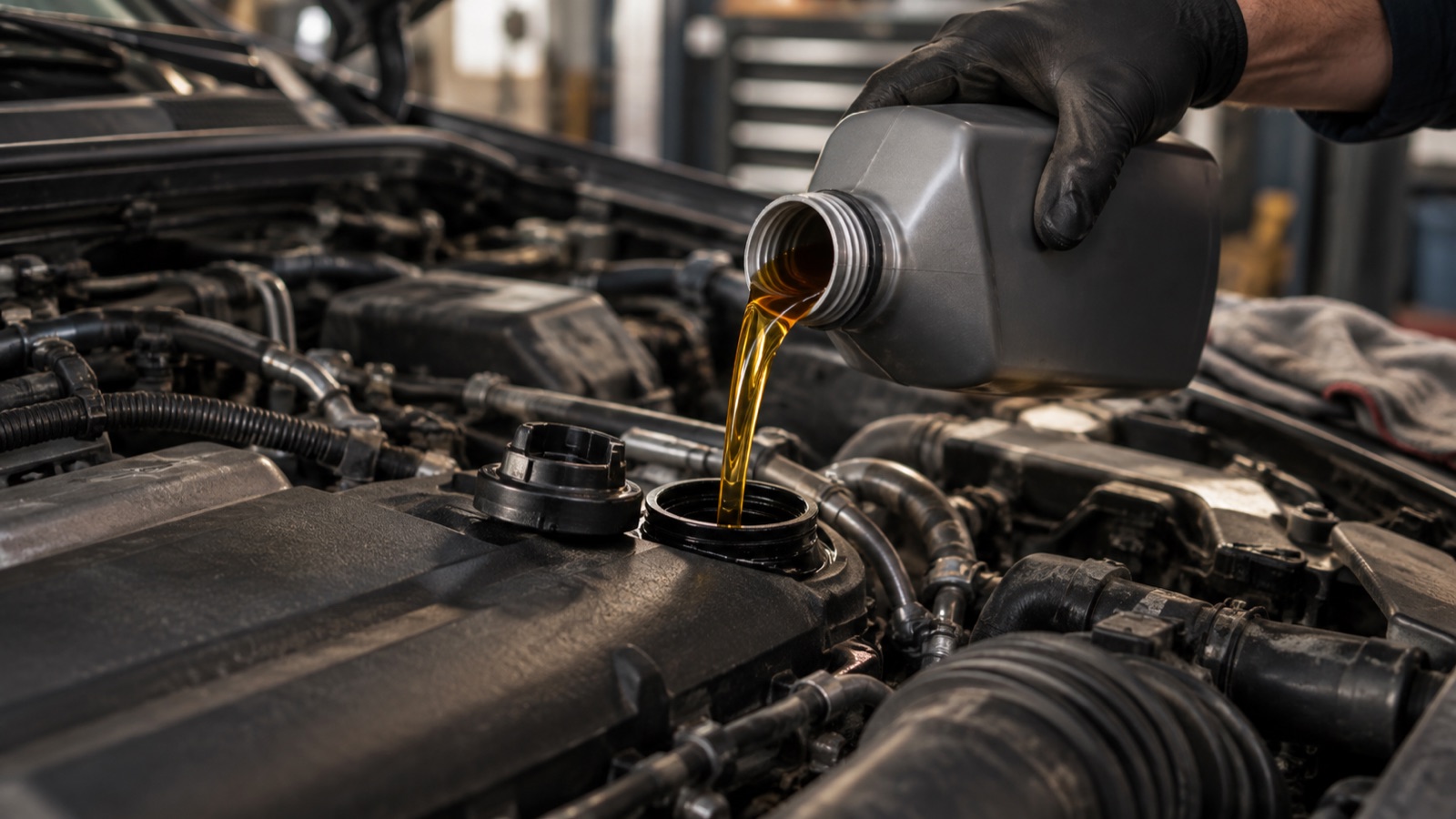
SC-100: How does this lubricant revolutionise engine protection?
Learn about SC-100 and its role in engine lubrication: friction, protection and the instructions and compatibility checks to review before use.
Read the article ↗
Tired engine? Discover how a hyper-lubricant can give it a new lease of life.
Engine noise, difficult starting or loss of power: understand the role and limits of a lubricant treatment without replacing proper engine diagnosis.
Read the article ↗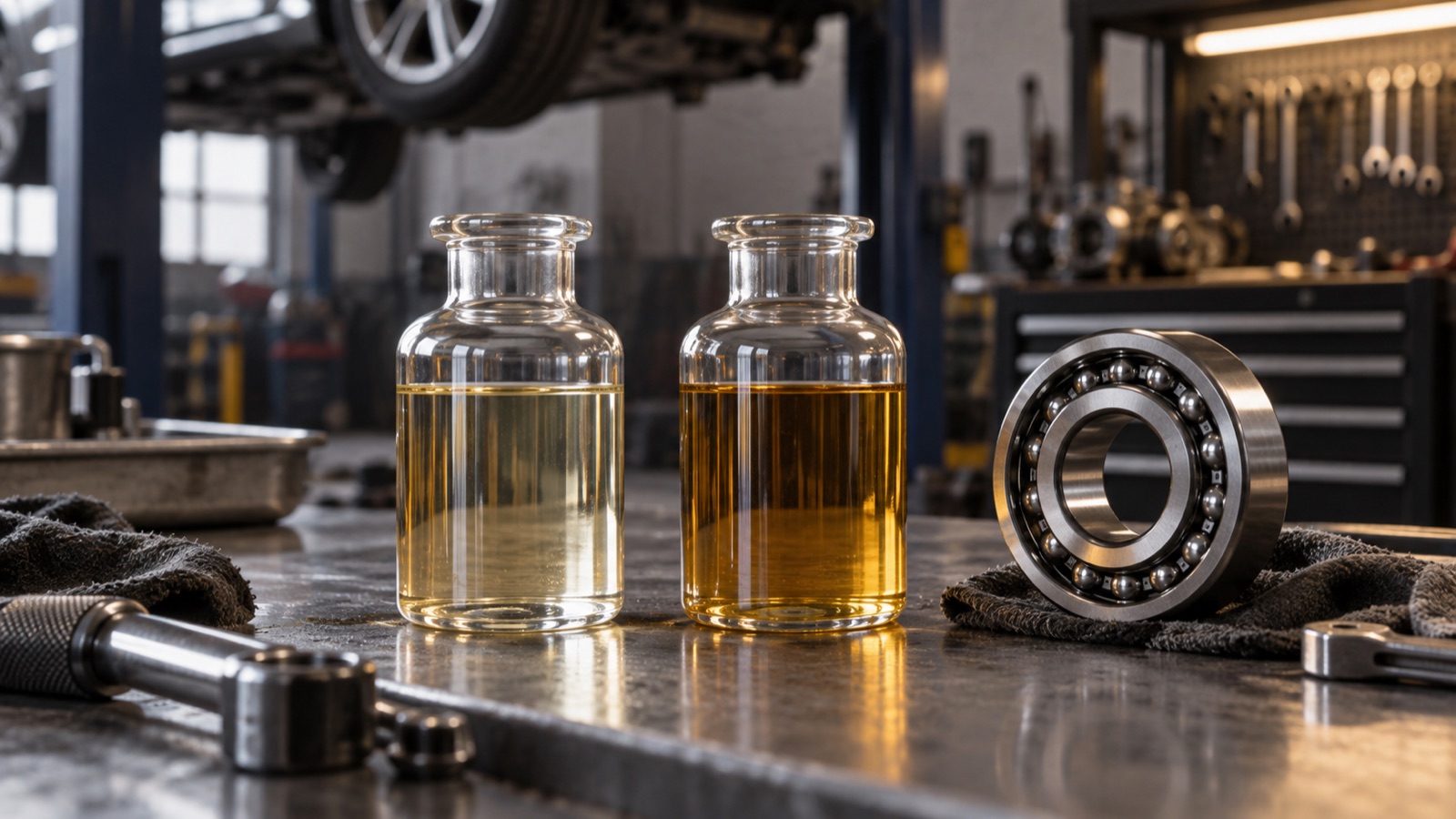
What is the difference between a ceramic lubricant and a conventional lubricant?
Ceramic or conventional lubricant: compare composition, friction control and the compatibility criteria to consider for your engine and gearbox.
Read the article ↗