Comparisons and practical guides 🛠️🔧
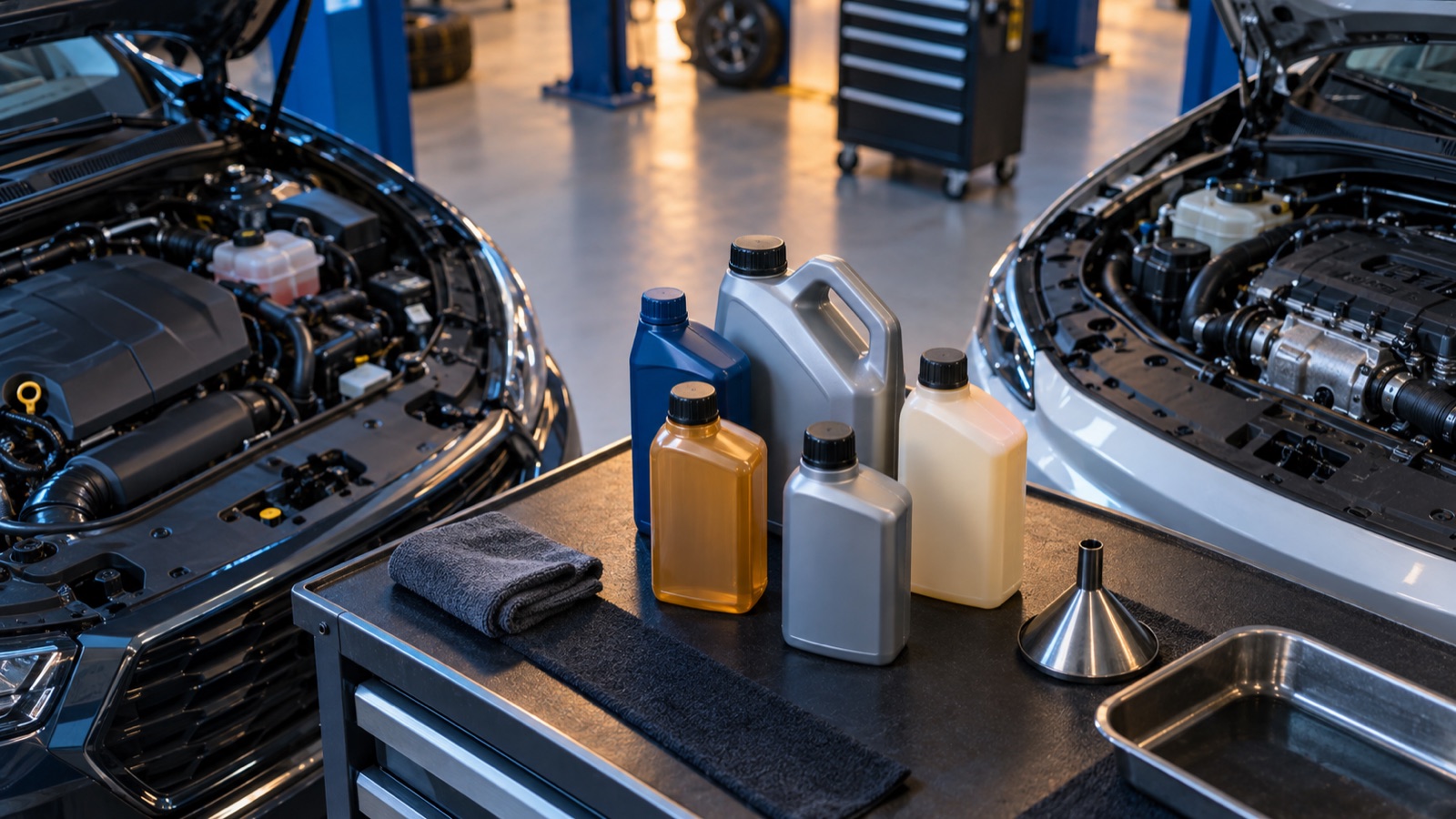
When maintaining a vehicle, choosing the right products and understanding technical details can make a real difference to performance and service life. Our “Comparisons and practical guides” section helps you make informed decisions about additives, their use and engine maintenance. Explore our comprehensive guides and detailed comparisons to find suitable solutions for your vehicle and fuel.
1. Engine additives: which should you choose for your vehicle and fuel? 🚗⛽
One of the main challenges for drivers is knowing which additive to use to optimise engine performance and service life. The choice largely depends on the vehicle, fuel (petrol, diesel or LPG) and driving conditions (urban, motorway or sporty driving). This article helps you choose additives suited to your engine and fuel.
Why are additives used?
Engine additives help maintain, protect and improve engine performance. They can contribute to reducing emissions, improving combustion, protecting against wear and deposits, and extending engine life.
2. Petrol versus diesel engines: how do maintenance and additives differ? ⛽️🛠️
Petrol and diesel engines require different treatments and maintenance. Although they serve a similar purpose, their technologies differ, affecting the additives they need. Discover the main differences and how to choose suitable additives for each engine type.
Petrol engines:
Petrol engines generally operate at higher temperatures and are sensitive to deposits on injectors and valves. An injector and carburettor cleaner is therefore often recommended.
Diesel engines:
Diesel engines operate at higher pressures and produce more soot, which can clog injectors and the diesel particulate filter (DPF). A DPF cleaner and a diesel additive can therefore help maintain performance and reduce emissions.
3. Common mistakes when using additives and how to avoid them 🚫⚠️
Additives can benefit your engine, but misuse can have the opposite effect. This article lists common driver mistakes and explains how to avoid them for the best results.
Common mistakes:
- Using an additive incompatible with the fuel : Do not use petrol additives in a diesel engine or vice versa. Choose a product specifically designed for your fuel.
- Incorrect additive dosage : Too much additive can damage engine components. Always follow the recommended dosage.
- Ignoring application intervals : Some additives need to be used at regular intervals to remain effective.
4. Fuel additives: what do experts and independent tests say? 🔬✅
Understanding the effectiveness of fuel additives requires objective tests by specialists and independent organisations. Here we summarise the reported findings on their effects on engine performance, fuel consumption and emissions.
What experts say:
- Lower fuel consumption : Several tests are reported to show that a well-chosen additive can reduce fuel consumption by 2 to 5 %.
- Cleaning and maintenance : Additives can help extend engine life by cleaning injectors, valves and the fuel supply system.
- Improved performance : A high-quality additive can improve engine response, particularly during demanding or sporty driving.
5. How can additives help maintain your engine on a limited budget? 💰🚗
Engine maintenance and repairs can quickly become expensive. Simple, affordable solutions can help extend engine life without overstretching your budget. This article explains how appropriate additive use can help reduce maintenance costs while supporting engine performance.
Budget-friendly solutions:
- Injector-cleaning additives : A cleaning additive can be an affordable maintenance option for deposits, but it does not replace professional diagnosis or necessary injector repairs.
- Combustion-improving additives : Additives designed to improve combustion can support performance while helping to reduce fuel consumption.
- High-performance lubricants : These lubricants reduce engine wear, helping to limit the need for costly repairs.
Engine additives can help improve performance, extend engine life and optimise vehicle maintenance. However, it is essential to understand the different types, avoid common mistakes and know how to incorporate them into a maintenance routine. These practical guides and comparisons help you make informed choices suited to your engine and budget.