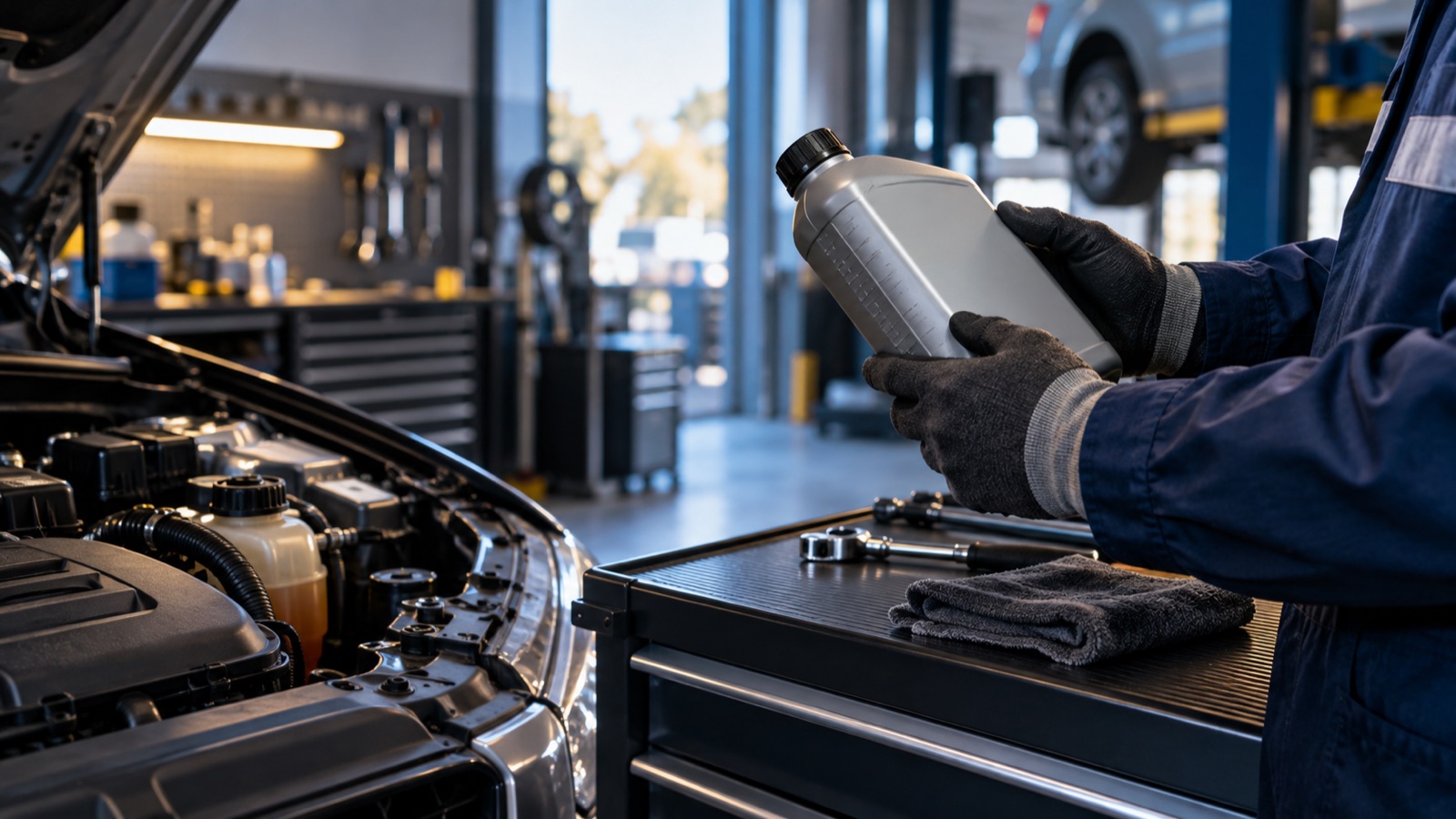
Common mistakes when using additives and how to avoid them 🚗⚠️
Engine and fuel additives can be practical tools to support performance, engine life and maintenance costs. Incorrect use, however, can reduce their effectiveness and sometimes damage the engine. This page examines common mistakes and explains how to avoid them for appropriate results.
1. Adding too much additive 💥
Common mistake :
Many drivers assume that more additive means better results. Excessive amounts in fuel or oil can upset the formulation, impair lubrication and, depending on the product, contribute to engine overheating or other damage.
How to avoid this mistake :
Always follow the product manufacturer’s dosage instructions. Most additives are used in measured amounts according to the quantity of fuel or oil and the application. If unsure, consult the product instructions or a professional.
2. Using an additive incompatible with your engine 🚫
Common mistake :
Petrol and diesel engines have different additive requirements. Using a diesel-only additive in a petrol engine or vice versa can impair performance, cause deposits or damage components such as injectors.
How to avoid this mistake :
Make sure the product is intended for your engine and fuel. For example, petrol engine products include NET ESSENCE or BOOST ESSENCE, while diesel engines require suitable products such as NET DIESEL or ECO DIESEL.
3. Neglecting maintenance before adding additives 🧰
Common mistake :
Additives may be ineffective if the engine or affected system has serious existing problems. Heavily fouled injectors, a blocked particulate filter or degraded oil residues may prevent the expected results.
How to avoid this mistake :
Before treatment, assess whether the engine, injection system or carburettor needs servicing. Where the product instructions and vehicle requirements allow it, suitable cleaners include CLEAN Before Oil Change or FAP Particulate Filter Cleaner as part of appropriate maintenance. Cleaning products must not be used to bypass necessary repairs.
4. Using poor-quality products or unverified claims ⚠️
Common mistake :
Additives differ in formulation and suitability. Poor-quality ingredients can cause problems over time, and unsupported certification or performance claims do not establish safety or effectiveness.
How to avoid this mistake :
Choose a traceable product with clear technical information, instructions and any relevant approvals. Check claimed certifications rather than assuming them. For products presented by WeConcept, consult the actual product documentation to confirm suitability for your engine; no general certification or performance guarantee is established by this article.
5. Ignoring engine wear or fuel quality 🔧
Common mistake :
An additive may not deliver the expected results in a badly worn engine or with poor-quality fuel. A heavily fouled engine or saturated particulate filter may need professional attention rather than an additive treatment alone.
How to avoid this mistake :
Assess the engine’s overall condition first. Excessive wear, reduced performance or heavy smoke may require repairs or more thorough maintenance before additives are considered. An additive can complement maintenance, but cannot replace it.
6. Ignoring application frequency 🗓️
Common mistake :
Using additives too frequently, or assuming one treatment lasts for the vehicle’s lifetime, can undermine their effectiveness and long-term engine care.
How to avoid this mistake :
Follow the manufacturer’s application schedule. Products such as ECO ESSENCE or ECO DIESELmay be intended for use with repeated refuelling, whereas injector or DPF cleaners may have longer treatment intervals. Confirm the specific label instructions rather than applying one schedule to every product. Appropriate regular maintenance helps preserve engine performance.
7. Not checking the result after treatment 🔍
Common mistake :
Some drivers do not check the engine after treatment, leaving faults unnoticed. Injectors that remain dirty or a partially blocked filter may still limit performance even after an additive has been used.
How to avoid this mistake :
After treatment, monitor fuel consumption, smoke, engine noises and general performance. If problems persist, seek diagnosis and further maintenance. Do not repeat or increase treatments blindly; any repeat use must follow the product instructions.
Use additives appropriately for the best results ✅
Additives can support engine performance and longevity, but their effectiveness depends on correct use and the underlying engine condition. Avoiding these common mistakes helps you use them appropriately as part of regular engine care.
Suggested products :
- NET ESSENCE : Petrol injector cleaner.
- NET DIESEL : Diesel injector cleaner.
- BOOST ESSENCE : Combustion treatment for petrol engines.
- FAP Particulate Filter Cleaner : Particulate filter cleaner for diesel engines.