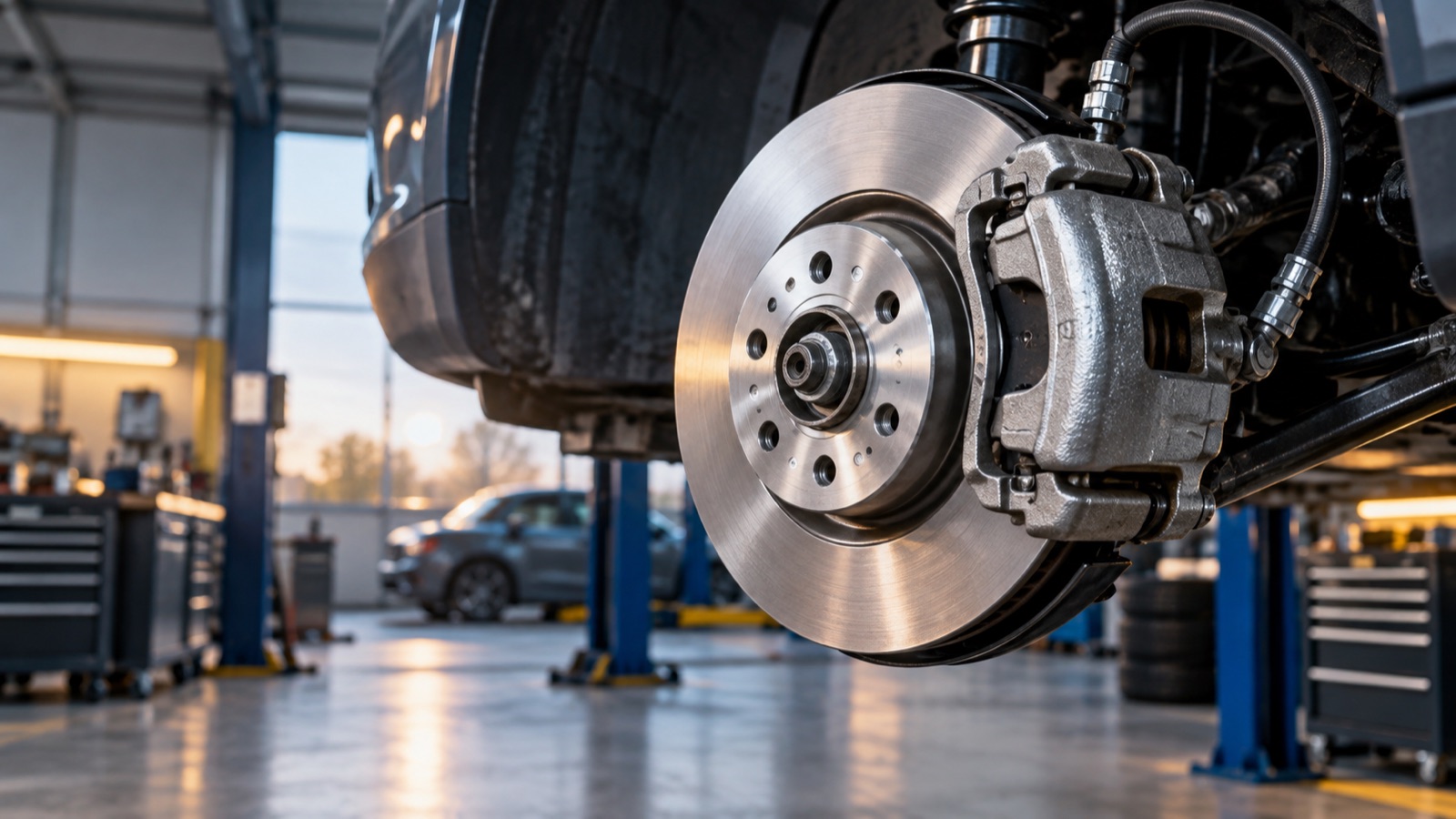
Braking system safety and maintenance
Your vehicle’s braking system is one of the most important components for road safety. Regular maintenance and suitable components, such as brake fluid, are essential for optimum performance and preventing serious failures. This section explains why your braking system must be kept in good condition, what to consider when choosing brake fluid and how to maintain its effectiveness over time.
1. Why is choosing the right brake fluid crucial to your safety? 🚗💨
Brake fluid is vital to the operation of your braking system. It transmits the force applied to the brake pedal to the other components so that your vehicle can stop safely. Choosing poor-quality fluid or failing to replace it regularly can reduce braking effectiveness, increase the risk of accidents and even cause serious failures.
Why it matters:
- Force transmission : Quality brake fluid ensures rapid, effective force transmission between the pedal and the brakes.
- Preventing overheating : Brake fluid must withstand high temperatures to avoid overheating, which can impair performance.
- Corrosion protection : Good brake fluid protects the system’s metal components against moisture and rust, helping to prevent premature wear.
Tip : Choose a high-performance fluid, such as DOT 5 Brake Fluid, for improved safety.
2. Understanding DOT brake fluid standards: how do you choose the right one? 🛠️
DOT (Department of Transportation) standards classify brake fluids according to their temperature resistance, moisture-related properties and overall performance. There are several classes (DOT 3, DOT 4, DOT 5 and DOT 5.1), and it is essential to choose the right fluid for your vehicle and its specific requirements.
The main DOT standards :
- DOT 3 : Glycol-based brake fluid, generally used in basic vehicles.
- DOT 4 : Higher-performance fluid than DOT 3, with greater heat resistance.
- DOT 5 : Silicone-based fluid intended for demanding applications. It offers high-temperature stability and resistance to moisture absorption.
- DOT 5.1 : Glycol-based brake fluid offering greater heat resistance and improved performance compared with DOT 3 and DOT 4.
The right choice for your vehicle :
Your choice depends on the vehicle’s age, driving conditions and manufacturer specifications. For optimum performance and improved safety, DOT 5 Brake Fluid is an option for drivers seeking high performance and additional protection against moisture, provided the vehicle manufacturer specifies this fluid.
3. Optimum braking: when should you change your brake fluid? ⏰
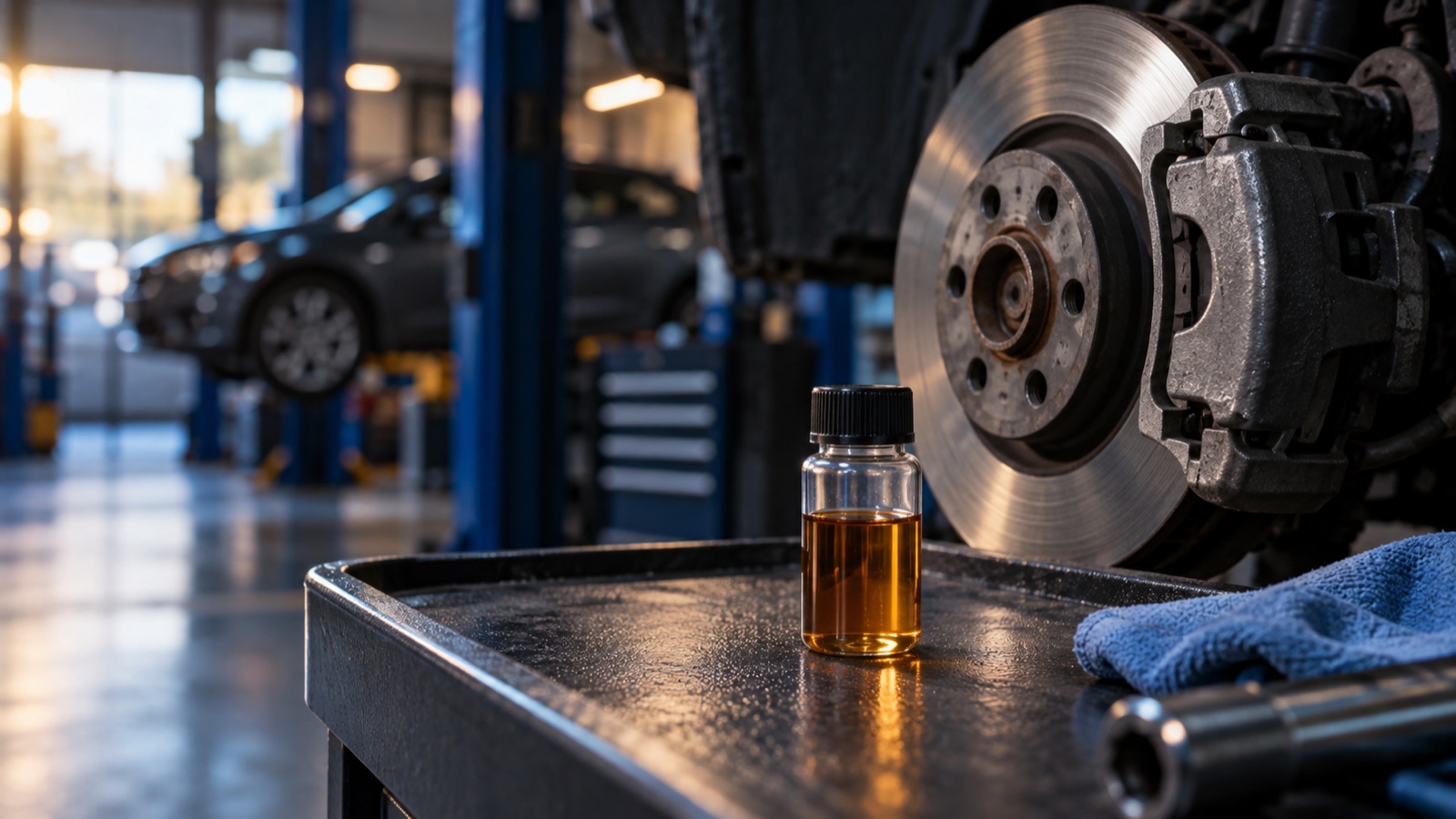
Brake fluid must be replaced regularly to remain effective. Over time, glycol-based fluid absorbs moisture from the air, which reduces its performance and can cause corrosion within the braking system. Knowing when to replace it is therefore crucial.
Signs that brake fluid needs changing :
- Less responsive braking : A soft brake pedal or reduced braking effectiveness may indicate degraded brake fluid.
- Excessive temperature : If your brakes heat up more quickly or the pedal becomes harder when hot, degraded brake fluid may be involved.
- Replacement intervals : Replacement is generally recommended every 2 years or every 40 000 to 60 000 km, subject to the manufacturer’s instructions.
Tip : Use a suitable high-performance brake fluid such as DOT 5 Brake Fluid for improved service life and safety.
4. What are the risks of worn-out brake fluid? ⚠️
Old or poor-quality brake fluid can pose serious safety risks, including:
1. Reduced braking performance :
Degraded or excessively old fluid becomes less effective at transmitting force, potentially reducing braking performance, particularly in an emergency.
2. Risk of overheating :
Old fluid can overheat more readily, compromising braking capability and potentially causing system failure.
3. Braking system corrosion :
Moisture-contaminated brake fluid can corrode braking components, increasing the risk of system failure.
Tip : Regular maintenance and replacement with a suitable quality product, such as DOT 5, help prevent these risks and maintain safety.
5. How can high-performance fluid help preserve your braking system? 🔧
To preserve your braking system’s service life and performance, use a suitable high-performance brake fluid. Here are some ways to optimise its maintenance:
1. Use suitable products :
The DOT 5 Brake Fluid is intended for vehicles requiring this specification, offering heat and moisture resistance and protection for the braking system.
2. Check the system regularly :
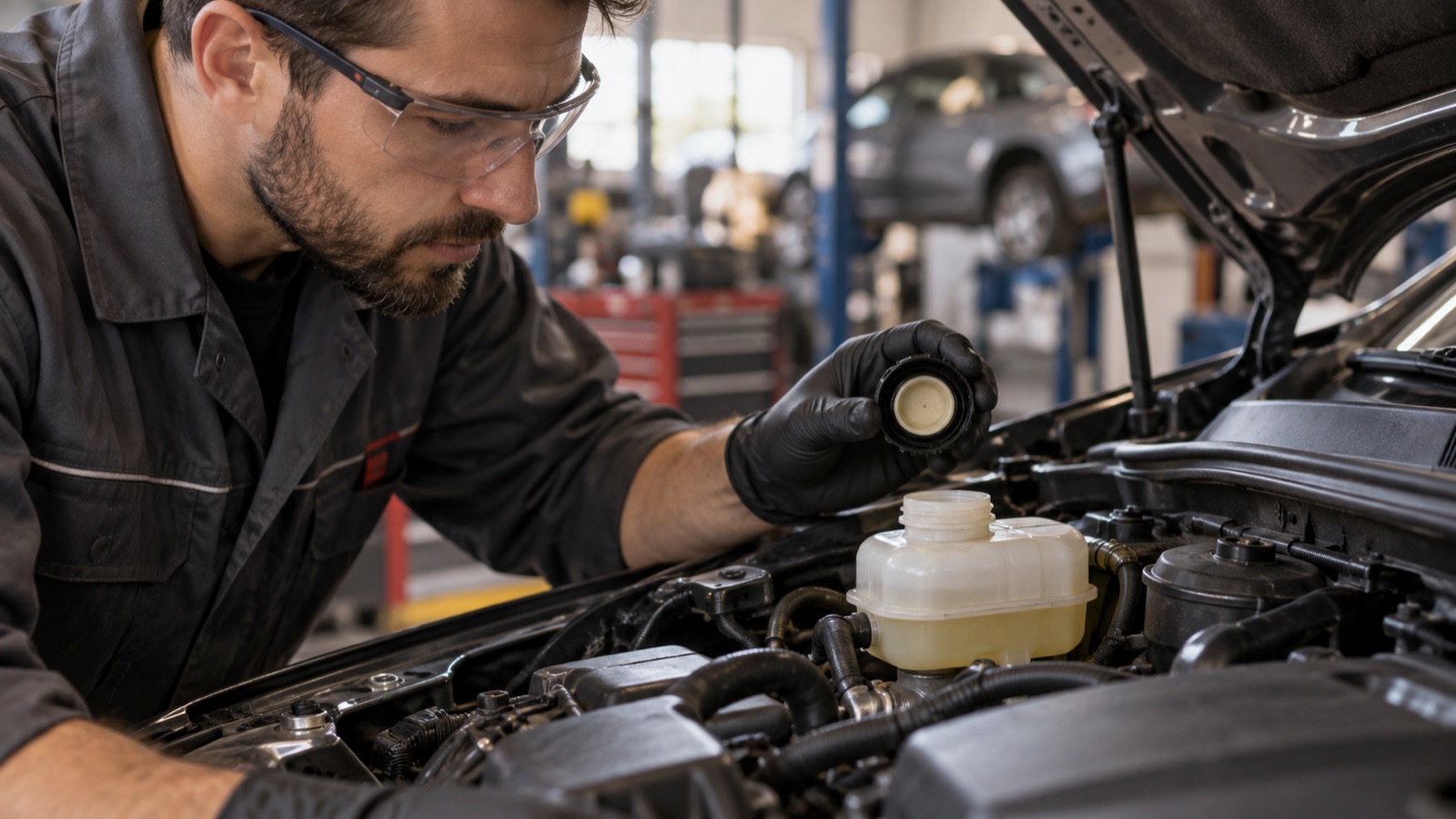
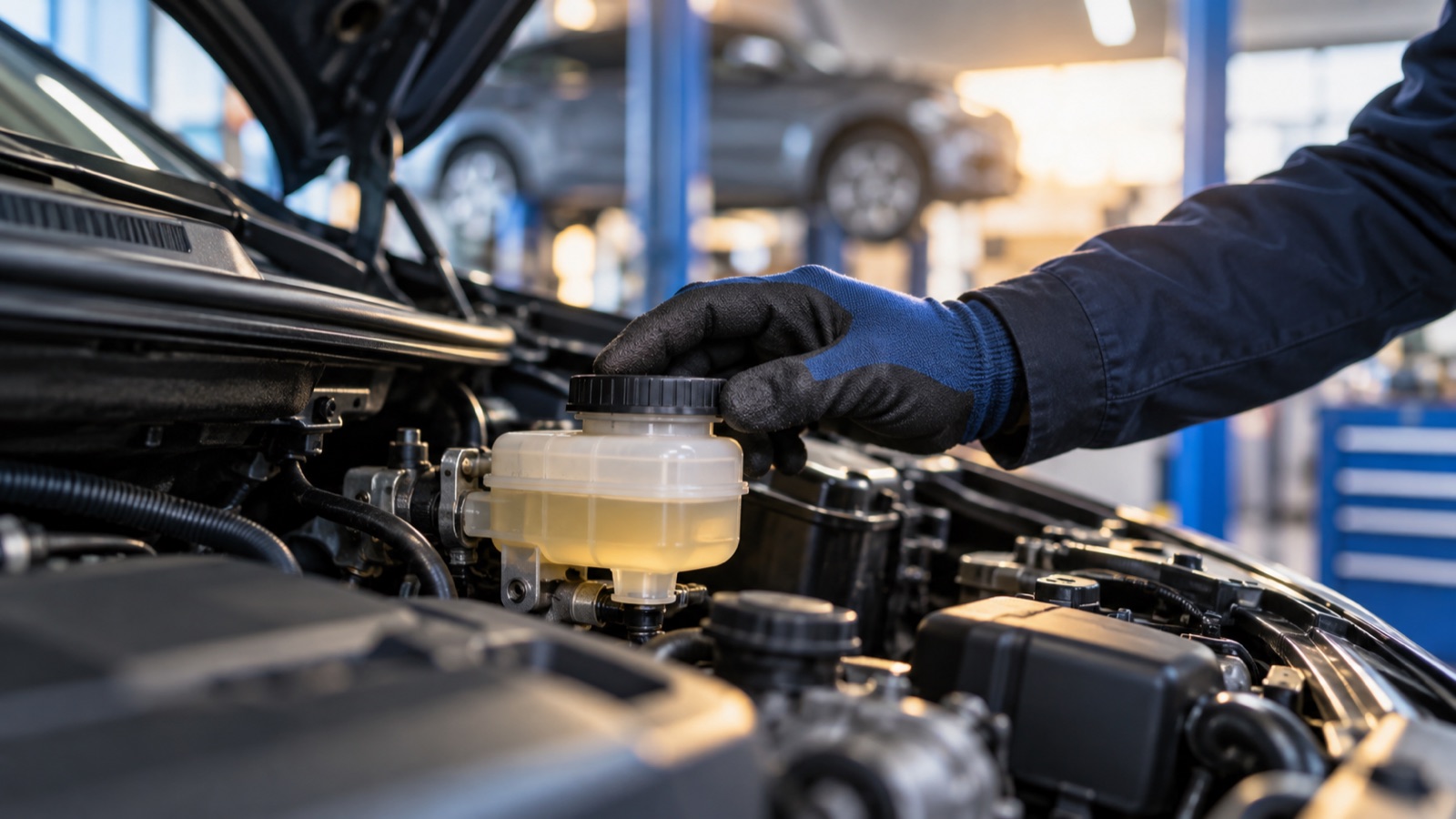
Check the brake fluid level regularly and make sure there are no leaks. A low level can compromise braking effectiveness.
3. Replace brake fluid at regular intervals :
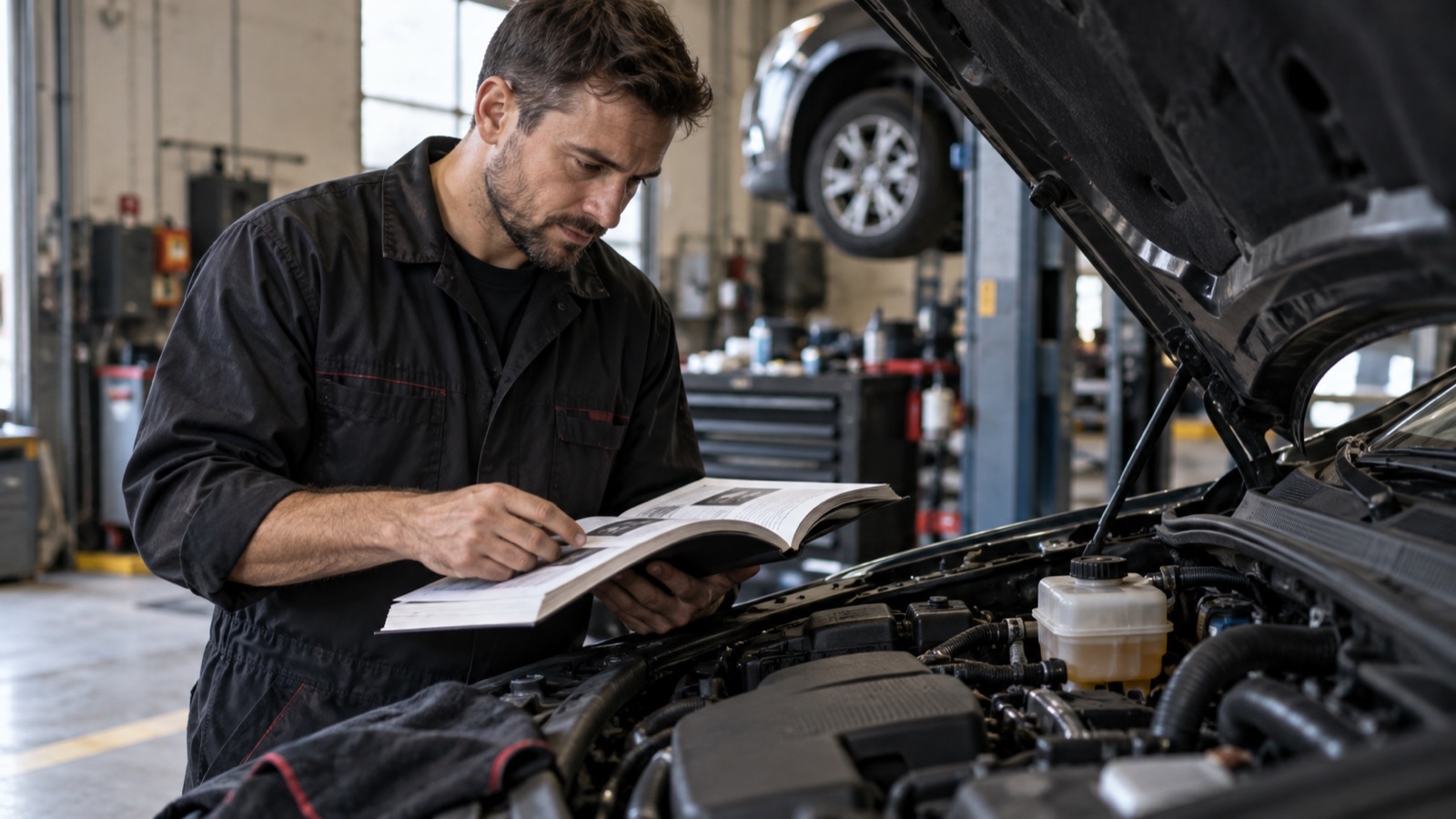
Follow the manufacturer’s brake fluid replacement schedule to maintain system performance and safety.
The braking system is central to your vehicle’s safety. Choosing suitable brake fluid, replacing degraded fluid regularly and using appropriate high-performance products help maintain effective braking and road safety.
Consider suitable products such as DOT 5 Brake Fluid, formulated to withstand extreme temperatures and deliver high performance, where approved for your vehicle.