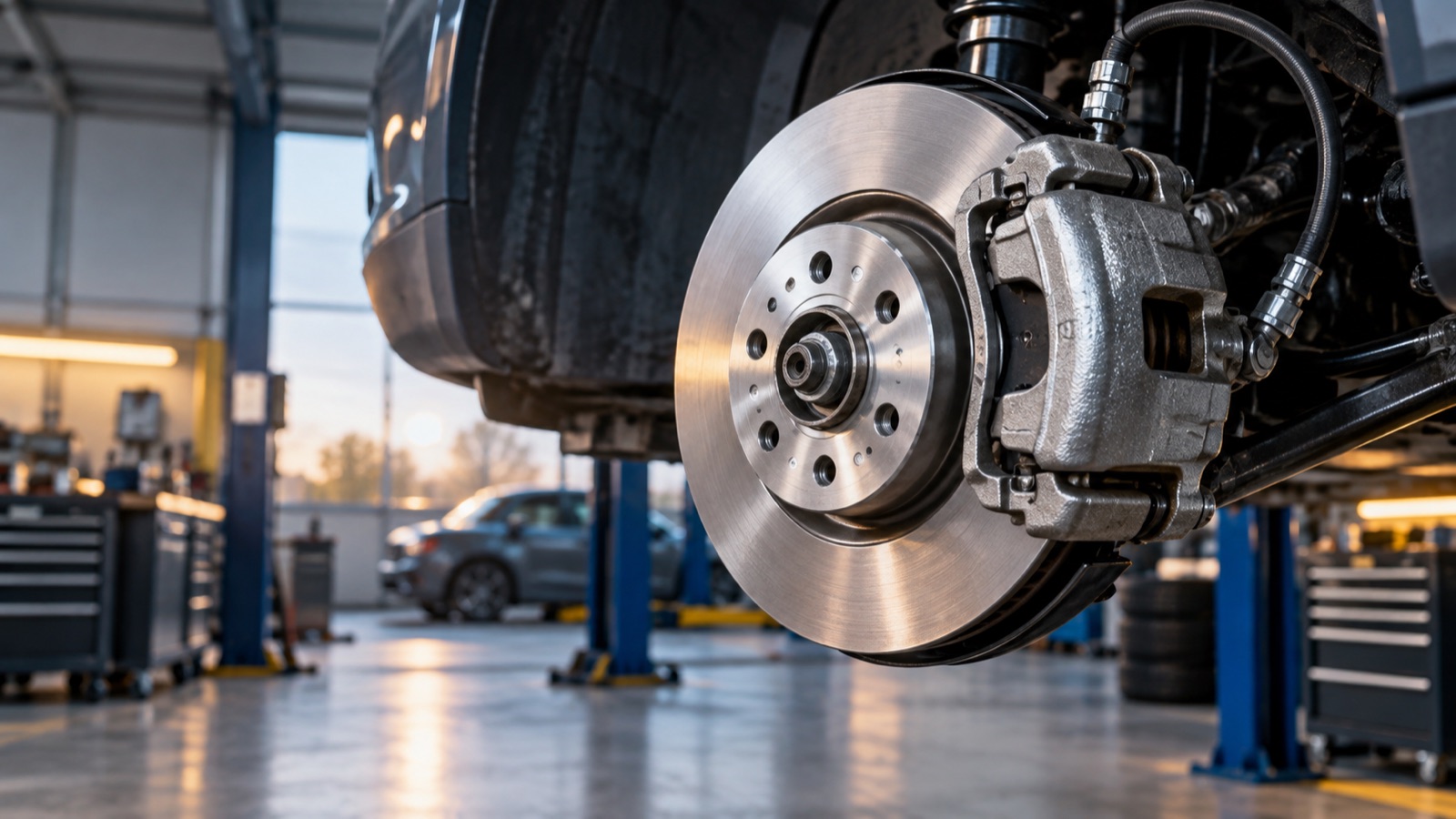
How can high-performance fluid help preserve your braking system? 🛑🚗
The braking system is central to vehicle safety: fast, effective braking can make a difference in an emergency. Suitable high-performance fluid supports pressure transmission and protects braking components against premature deterioration and corrosion. Discover how the correct fluid can help preserve the system and its service life.
1. What is high-performance brake fluid? 🏎️
High-performance fluid is formulated for demanding thermal conditions and component protection. Compared with a basic product of a suitable class, it may offer higher boiling points and improved stability. Its formulation does not remove the need for compatibility checks or scheduled replacement.
1.1. Characteristics of a high-performance fluid:
- Higher boiling point : It withstands higher temperatures before vapour forms, supporting reliable braking under demanding conditions.
- Managing moisture-related risks : Corrosion protection and wet boiling performance matter. Glycol-based high-performance fluids still absorb moisture and need periodic replacement.
- Improved thermal stability : It maintains its properties across specified temperatures, supporting braking performance after intensive use.
2. Why choose high-performance brake fluid? ⚙️
A suitable high-performance fluid can offer several benefits. Here are the main reasons to choose a quality product meeting your vehicle’s requirements:
2.1. Improved safety 🛡️
A higher boiling point reduces the risk of vapour formation under heat and helps preserve reliable pressure transmission. This is particularly important during emergency braking, when rapid response matters.
2.2. Braking system durability 🔧
Quality fluid helps protect cylinders, lines and seals. Limiting contamination and corrosion can extend component life and reduce long-term maintenance costs.
2.3. Limiting wear and maintenance costs 🛠️
Premium fluids are formulated for demanding conditions and component protection. They may help limit repair costs, but they do not justify extending fluid replacement or inspection intervals beyond the manufacturer’s instructions.
3. How do you choose a suitable high-performance fluid? 📋
The fluid choice is crucial to correct braking performance. Consider these criteria when choosing a high-performance product:
3.1. DOT standards 📑
DOT 3, DOT 4, DOT 5 and DOT 5.1 classify brake fluids by thermal properties, moisture-related behaviour and performance requirements.
- DOT 3 and DOT 4 are common brake fluid classes used in many passenger vehicles.
- DOT 5 is silicone-based fluid for specifically approved systems. It does not absorb moisture, but must not be mixed with glycol-based DOT fluids.
- DOT 5.1 is glycol-based, not a blend of glycol and silicone. It offers high boiling-point requirements but remains hygroscopic and must match the vehicle specification.
3.2. Viscosity and high-temperature stability 🌡️
High-temperature stability matters during repeated or heavy braking. The fluid must also meet low-temperature viscosity requirements for effective cold-weather operation, especially in electronically controlled braking systems.
3.3. Manufacturer and quality 🌟
Choose quality fluid from an established manufacturer. High-performance formulations may address particular uses, such as road, sport or off-road driving, but must always meet the vehicle’s specification.
4. How can you preserve the system with high-performance fluid? 🛡️
Once a suitable fluid has been chosen, these practices help preserve its benefits and the braking system over time:
4.1. Regular fluid replacement 🔄
Even high-performance fluids need periodic replacement. Moisture, heat and ageing can affect them over time. Every 2 years or 40 000 to 50 000 km is a general reference only; follow the manufacturer’s actual interval.
4.2. Braking system inspection 🔍
Have pads, discs, lines and the brake fluid reservoir checked regularly. A well-maintained system operates more effectively and helps preserve component life.
4.3. Careful driving and preventive maintenance 🚗
Smooth, anticipatory driving helps reduce unnecessary hard braking and system wear. Regular preventive maintenance, including fluid service and bleeding when required by the manufacturer, remains essential for correct performance.
Suitable high-performance fluid can support the safety and effectiveness of your braking system through heat resistance and component protection. Choosing the correct specification and maintaining the system regularly helps preserve safe braking for you and your passengers.